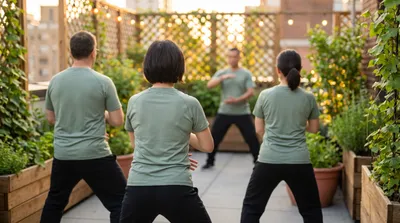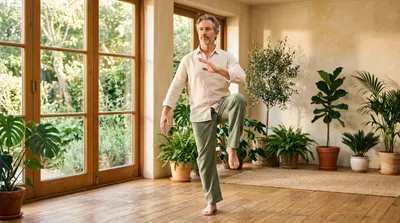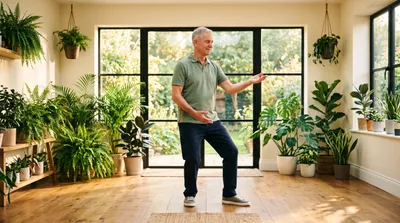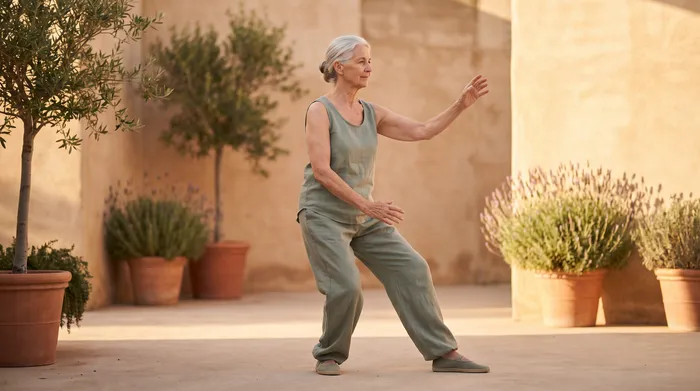
Tai chi was not designed with seniors in mind — it emerged over centuries as a martial art. But something interesting happened as it spread from China to the wider world: practitioners noticed that older adults often made the most committed students, and that tai chi’s slow, weight-shifting movements offered something that high-impact exercise couldn’t. The research caught up to what practitioners already knew.
Today, tai chi is among the most studied movement practices for older adults. If you are 60 or older and wondering whether it’s worth exploring, this guide covers what the evidence actually says, how to get started safely, and what to realistically expect.
Why Tai Chi Works Particularly Well for Older Adults
The movements of tai chi are deliberately slow and deliberate. Weight shifts from one leg to the other. Arms sweep through arcs that require shoulder mobility. The whole body coordinates in a way that challenges the nervous system without punishing the joints.
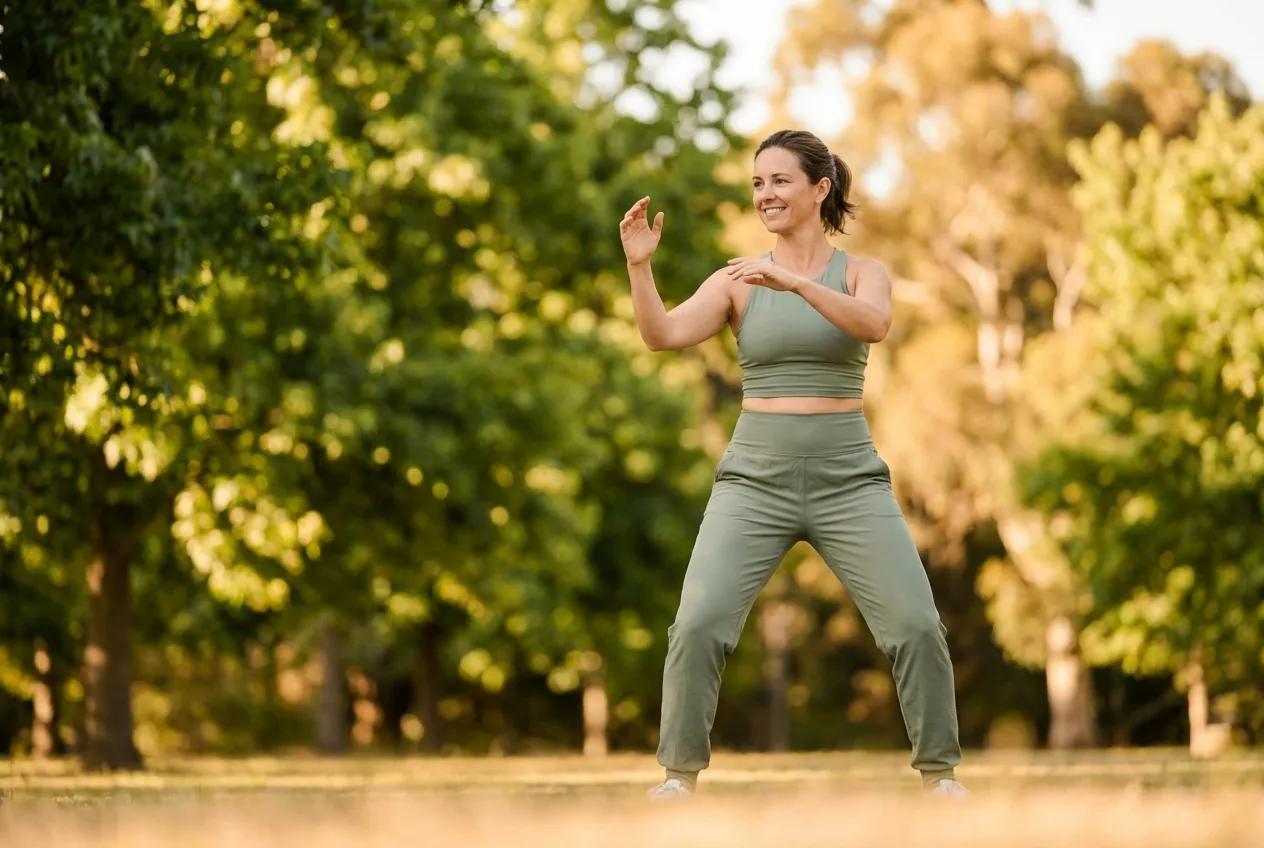
In my practice, I’ve observed that the aspects of tai chi that feel most challenging to beginners — the single-leg weight transfer, the slow deliberate foot placement — are precisely the skills that deteriorate most with age. Tai chi trains exactly what ageing erodes.
The evidence base is substantial. A 2017 meta-analysis published in the Journal of the American Geriatrics Society pooled 10 randomised controlled trials and found that tai chi reduced the rate of falls by approximately 43% and injury-related falls by around 50% over the short term, with similar protective effects — though smaller — persisting over the longer term. The National Institute on Aging lists tai chi among its recommended balance exercises for older adults, alongside yoga and other balance training, as part of a well-rounded weekly routine.
What Makes It Different From Other Low-Impact Exercise
Walking is low-impact. Swimming is low-impact. But tai chi adds something those don’t: it trains proprioception directly. Proprioception is your body’s sense of where it is in space — the feedback loop between muscles, joints, and brain that tells you when you’re off-balance before you fall. This system degrades with age, and most exercise does little to retrain it.
Tai chi forces you to move slowly and deliberately with partial weight on one leg while your attention is fully engaged. That’s a proprioceptive workout. When I started practising, the slow pace surprised me — I expected tai chi to feel easy. The concentration it demanded was genuinely tiring at first, not physically but mentally. That mental engagement is part of what makes it effective.
Joint-Friendly by Design
Unlike jogging or step aerobics, tai chi places minimal compressive force on the knees and hips. The knees are always slightly bent — never locked — which reduces impact. Movements flow continuously rather than stopping and starting, which is gentler on connective tissue.
For seniors managing arthritis, tai chi can be practised even during periods of mild joint discomfort. However, always consult your physician before beginning any new exercise if you have significant joint disease, osteoporosis, or other conditions.
Balance and Fall Prevention: The Core Evidence
Falls are the leading cause of injury-related death among adults over 65 in many countries, making fall prevention a genuine health priority — not just a quality-of-life issue. Tai chi’s record here is consistent across multiple research approaches.
A rigorous randomised controlled trial published in the Journals of Gerontology: Series A found that a 6-month, three-times-weekly tai chi programme significantly reduced falls and improved balance in older adults compared with a stretching control group — participants in the tai chi group had a 55% lower risk of multiple falls, along with fewer injurious falls and improved functional balance measures.
The World Health Organization and many national health bodies now include tai chi in their fall prevention recommendations for older adults.
Having practised the balance-training aspects of tai chi for years, I can say that the gains feel qualitatively different from what I noticed doing conventional balance exercises on one leg. Tai chi builds what you might call dynamic balance — the ability to recover mid-movement, not just to stand still on one foot.
Seated and Modified Tai Chi
Not every senior can practise standing tai chi. For those using wheelchairs, those recovering from surgery, or those whose balance is too compromised for safe standing practice, seated qigong and chair-based tai chi exercises offer many of the same upper-body and breathing benefits.
The upper-limb movements of tai chi — the arm sweeps, the ward-off and press gestures — can all be performed seated. They retain the joint mobility work and the coordinated breathing, even without the balance challenge of standing. Many care settings introduce tai chi this way before progressing to standing practice.
Cognitive Benefits: Beyond the Physical
The research on tai chi and cognitive health in older adults is newer but increasingly compelling. The mind-body coordination required to learn and perform tai chi forms appears to have measurable effects on cognitive function.
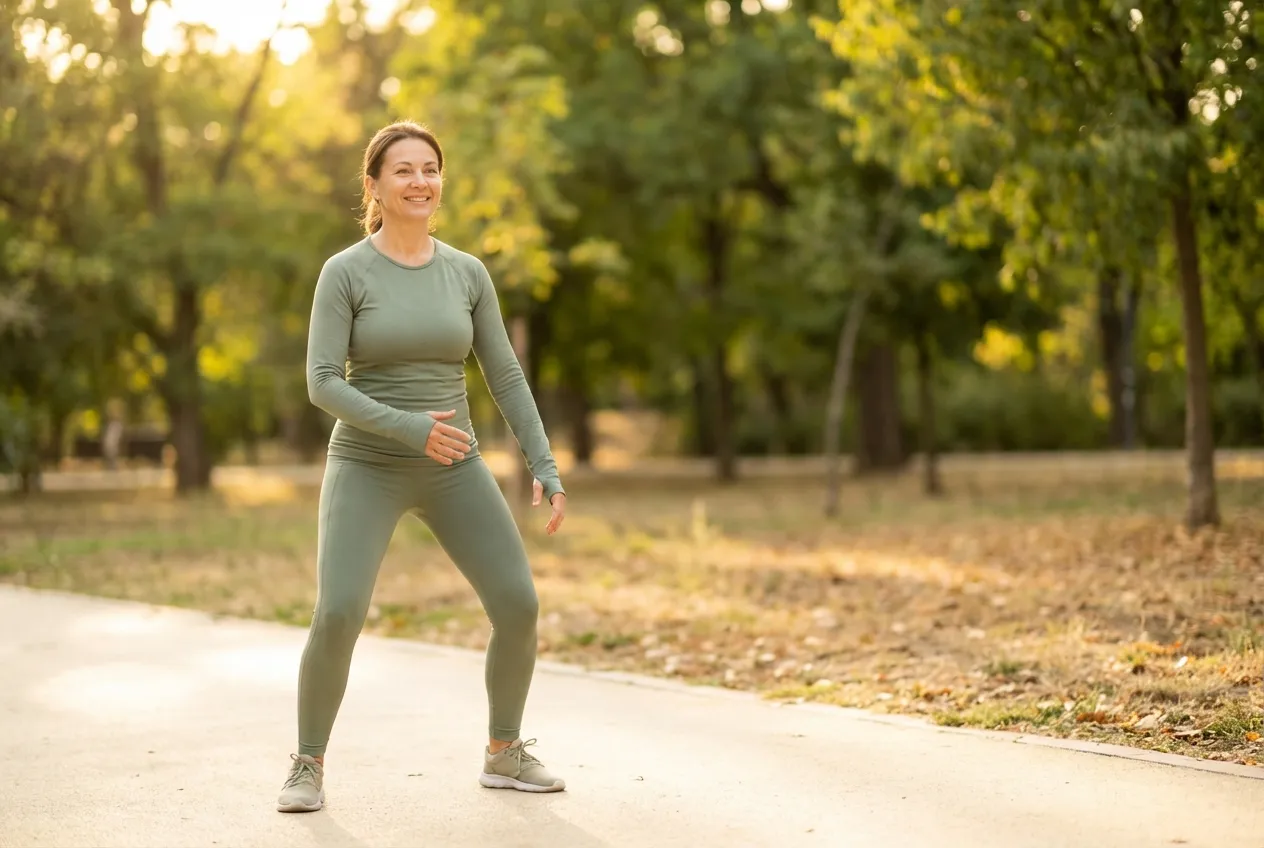
A 2021 systematic review and meta-analysis in the Journal of Alternative and Complementary Medicine, which pooled 33 randomised controlled trials, found that regular tai chi practice was associated with improved global cognition, executive function, and memory in middle-aged and older adults. The proposed mechanism is plausible: learning complex movement sequences requires the brain to form new neural pathways, and the mindful attention required during practice keeps the prefrontal cortex actively engaged.
This is not a cure for cognitive decline. But as a regular mental and physical workout that is genuinely engaging and requires ongoing learning, tai chi compares favourably with many alternatives.
As someone who has learned multiple tai chi forms over the years, I can confirm that the memorisation challenge is real and ongoing. Each new form takes weeks to internalise. That sustained learning challenge is probably part of what drives the cognitive research findings.
Getting Started Safely: Practical Guidance
The barrier to starting tai chi as a senior is low. You do not need specific equipment, athletic ability, or prior experience. What you do need is appropriate instruction and a realistic expectation of the learning curve.
Finding the Right Class
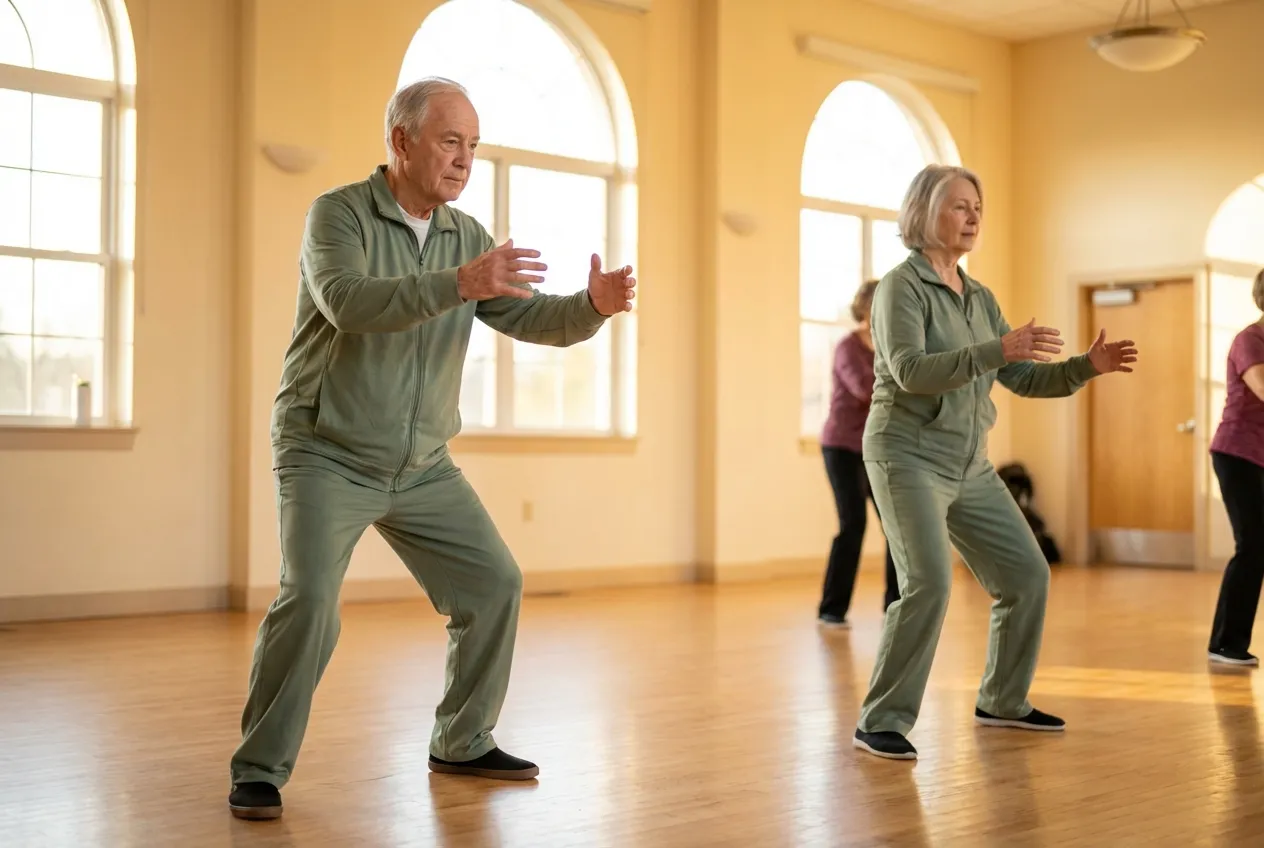
In-person group classes led by a qualified instructor are the best starting point for most seniors. The instructor can observe your movement, offer corrections, and ensure you are not placing your knees or back under undue stress.
Look for classes specifically marketed to older adults or beginners. Some instructors have completed specific training in tai chi for seniors or fall prevention contexts — ask about their experience with older students. Community centers, YMCA/YMCA equivalents, and senior centers commonly offer tai chi classes, often at low cost.
If in-person classes aren’t accessible, guided video practice is a reasonable alternative. TaiChiApp.com offers structured video lessons that walk through movements step by step, which can help seniors practice safely between class sessions or maintain their practice when getting to a class is difficult.
For more on evaluating your options, the complete beginner’s guide to tai chi covers the broader landscape of where and how to start.
What to Expect in Your First Classes
The first thing most beginners notice is that tai chi is slower than they expected — and more mentally demanding. The concentration required to track weight transfer, arm position, and breathing simultaneously is genuinely effortful. This is normal and improves with repetition.
Physical discomfort in the first weeks typically comes from the semi-squat posture that most tai chi styles maintain throughout practice. The knees are held slightly bent, which is unfamiliar to most people. If this causes knee pain, alert your instructor — modifications are usually possible, and the discomfort typically resolves as the leg muscles strengthen.
Expect to not remember sequences at first. This is universal. Tai chi’s complexity is part of its value, but it means that most beginners spend weeks memorising just a few initial movements. The short form used in most beginner classes is designed to be learned gradually over months, not in a few sessions.
Safety Considerations
Several conditions warrant extra care or medical clearance before starting tai chi:
- Recent surgery or acute injury: Tai chi involves weight-bearing and balance challenges; recover fully first.
- Severe osteoporosis: While tai chi is generally protective, falls during learning are a consideration. Inform your instructor.
- Severe balance impairment: Start with chair-based versions or have a stable surface within arm’s reach.
- Cardiovascular conditions: Tai chi is generally safe, but check with your physician if you have a recent cardiac event.
- Medications affecting balance: Some blood pressure medications, sedatives, or diuretics affect balance. Discuss with your doctor.
These cautions are not reasons to avoid tai chi — they are reasons to approach it thoughtfully.
Tai Chi for Common Senior Health Conditions
Arthritis
Tai chi is one of the most-recommended exercises for people managing osteoarthritis and rheumatoid arthritis. The American College of Rheumatology includes tai chi in its guidelines for managing knee osteoarthritis. The continuous, low-impact movement maintains joint mobility without the loading that worsens symptoms.
Osteoporosis
Weight-bearing exercise helps maintain bone density, and tai chi qualifies. The balance training also directly addresses fracture risk — most osteoporosis fractures result from falls, so reducing fall risk matters as much as bone density.
Parkinson’s Disease
Several studies have shown tai chi to be beneficial for people with Parkinson’s disease, improving balance, reducing freezing episodes, and improving overall mobility. A study published in the New England Journal of Medicine found that tai chi significantly reduced falls in people with mild-to-moderate Parkinson’s disease compared to stretching or resistance training.
Always discuss with your neurologist before starting, and seek an instructor experienced with neurological conditions.
How to Sustain a Practice Over Time
The research benefits of tai chi are tied to sustained, regular practice — not a six-week course. Most studies showing significant balance and fall prevention benefits involve 12 weeks or more of practice at several sessions per week.
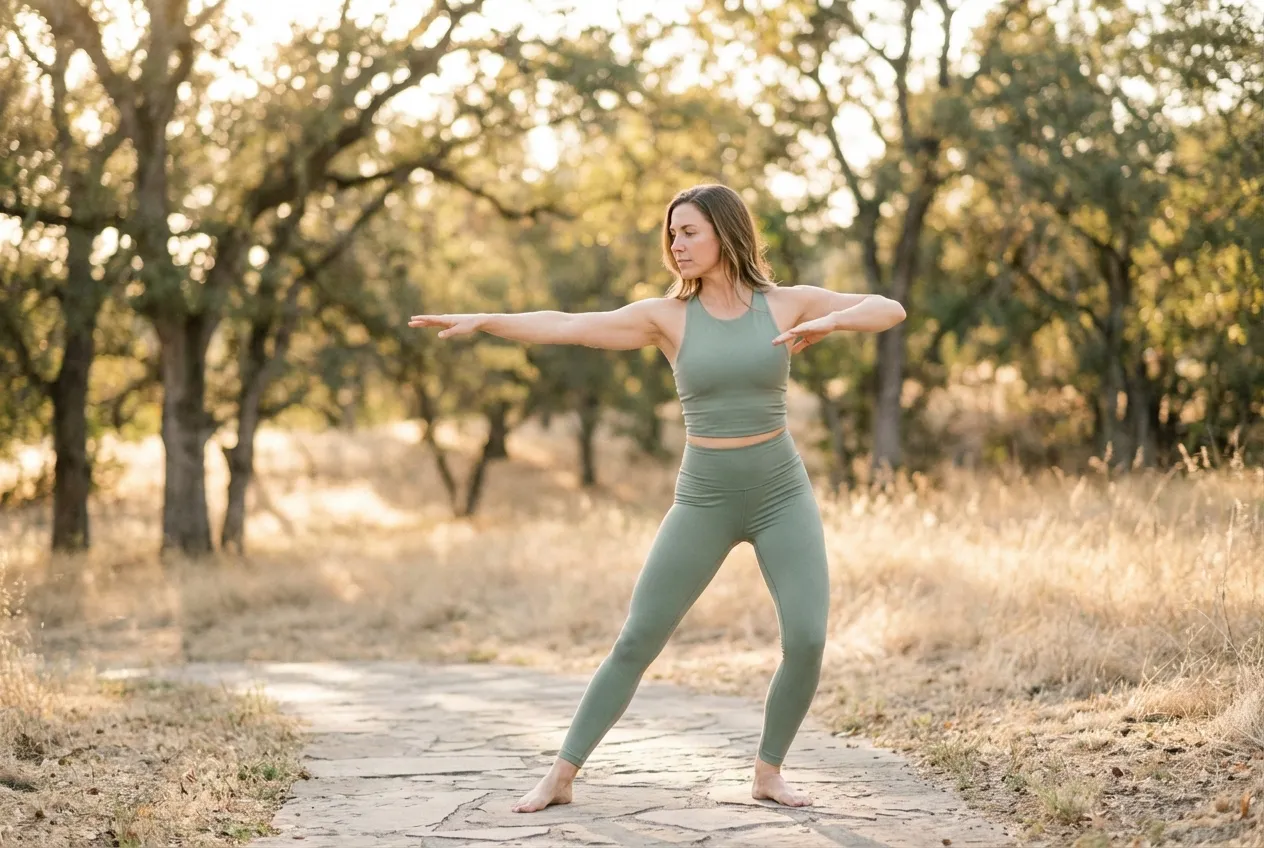
The good news is that tai chi tends to be self-sustaining once the initial learning curve is past. Students often describe it as genuinely enjoyable rather than effortful, which is the best predictor of long-term adherence.
Building a habit is easier with a regular class time and a community of fellow practitioners. Solo home practice is valuable but harder to maintain without the social reinforcement of a group. If you can, do both: a weekly or twice-weekly class and brief daily home practice between sessions.
For guidance on how often to practice and what a realistic practice schedule looks like, the tai chi for balance guide covers practice frequency and progression.
Explore all our tai chi for beginners guides for more on getting started at any age.
Frequently Asked Questions
Is tai chi safe for people with knee problems?
In most cases, yes — but with modifications. Tai chi maintains a slightly bent-knee position throughout, which can strengthen the muscles supporting the knee over time. If you have significant knee arthritis or have had knee replacement surgery, inform your instructor. They can adjust stance depth so you are never working beyond a comfortable range. Chair-based tai chi eliminates the standing knee load entirely.
How long before I notice benefits from tai chi?
Most practitioners notice improved balance and reduced stiffness within 6–8 weeks of regular practice (2–3 sessions per week). Research studies typically run for 12–24 weeks before measuring outcomes. Physical confidence — the sense that you move more securely — often comes earlier than measurable physical changes.
Can I do tai chi if I use a walking aid or wheelchair?
Yes. Chair-based and seated versions of tai chi retain most of the upper-body and breathing benefits. Many of the arm movements that train shoulder mobility and coordination can be done seated. Some instructors specialise in adaptive tai chi for people with mobility aids. Ask specifically about this when enquiring at local classes.
What style of tai chi is best for seniors?
Yang style is the most widely taught and the most studied for fall prevention. It is slower, with larger, more flowing movements, and is often modified for beginners and older adults. Sun style is also commonly recommended for seniors — it incorporates some qigong-influenced stepping that is particularly good for balance. Either is a good starting point.
Is online tai chi effective for seniors?
In-person instruction is generally better, especially early in learning, because an instructor can watch and correct your movement in real time. However, online video practice is a legitimate option when in-person classes aren’t accessible, and it can supplement in-person sessions. Look for structured video courses rather than standalone clips — progression matters.