Tai Chi Health Benefits
Scientific research and evidence on how tai chi improves balance, stress, and longevity.
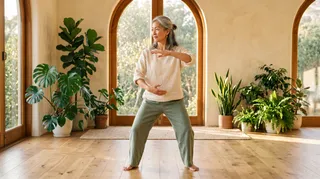
The research on tai chi's health effects is more solid than most people realise. This isn't alternative medicine or wellness marketing — there are peer-reviewed studies, systematic reviews, and meta-analyses, including work published in the New England Journal of Medicine, that document measurable effects on balance, fall risk, blood pressure, anxiety, and pain management. I've read a lot of this research while writing for this site, and I cite it directly so you can check the sources yourself rather than taking my word for it.
The health section covers specific conditions: arthritis, Parkinson's disease, chronic back pain, high blood pressure, sleep, and mental health, among others. Each article focuses on what the evidence actually shows — which outcomes are well-supported, which are promising but preliminary, and where the research is still thin. If you're weighing tai chi as a complement to medical treatment for a specific condition, these articles are written to help you have an informed conversation with your doctor, not to replace that conversation.
I also cover qigong here, because the two practices overlap considerably and the health research often treats them together. If you're primarily interested in tai chi for health reasons rather than for the martial or philosophical dimensions, qigong sets like the Eight Brocades or Shibashi are worth knowing about — they're shorter, easier to learn, and can slot into a 15-minute morning routine without much barrier to entry.
Articles in Tai Chi Health Benefits
Tai Chi and the Immune System: What Research Shows
Does tai chi boost immunity? A look at the shingles vaccine research, inflammation markers, and what can honestly be claimed about tai chi and immune function.

Tai Chi for Weight Loss: Calories, Belly Fat, Evidence
Can you lose weight doing tai chi? How many calories it burns, what a major trial found about belly fat, and where tai chi genuinely fits in weight management.
Tai Chi for Diabetes: Blood Sugar and Type 2 Evidence
Does tai chi help type 2 diabetes? A look at what meta-analyses show for blood glucose and HbA1c, plus how to build a practice that supports metabolic health.
Tai Chi for Parkinson's Disease: Balance and Evidence
What the research shows about tai chi for Parkinson's disease — the landmark NEJM trial, effects on balance and falls, and how to adapt practice safely.
Tai Chi for Women: Benefits Through Every Life Stage
How tai chi supports women's health — bone density evidence, menopause symptoms, pelvic and postural health, and what changes across different life stages.
Tai Chi for Back Pain and Chronic Pain: The Evidence
What the clinical trials show about tai chi for chronic low back pain, fibromyalgia and knee pain — how it works and how to practise without flaring symptoms.
Tai Chi and Heart Health: Cardiovascular Benefits Explained
How tai chi supports cardiovascular health — the evidence in heart failure and coronary heart disease, what it does and does not do, and how to practise safely.

Tai Chi Shoulder Exercises for Neck and Shoulder Pain
Gentle tai chi and qigong shoulder exercises for stiffness, desk posture, and neck tension — six movements explained, with guidance on frequency and technique.
Tai Chi for Sleep: Does It Help Insomnia?
What the research says about tai chi and sleep quality, why a slow evening practice helps insomnia, and how to structure a session that actually improves your sleep.
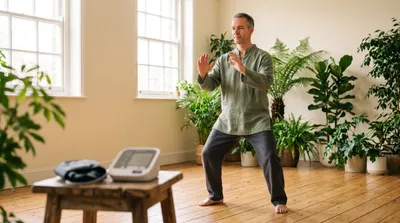
Tai Chi for High Blood Pressure: What the Evidence Shows
Does tai chi lower blood pressure? A look at the clinical trial evidence for hypertension and prehypertension, plus how to build a practice that supports it.

Qigong Health Benefits: What the Research Shows
What does qigong actually do for your health? Balance, stress, pain, immune function — a review of the evidence-backed benefits with real citations to clinical research.
Tai Chi Health Benefits: What the Research Actually Shows
What does tai chi actually do for your health? Balance, cardiovascular health, mental wellbeing, arthritis — with citations to real clinical evidence.
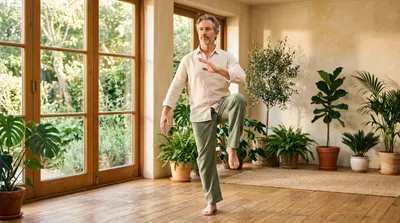
Tai Chi for Balance: How It Works and What to Expect
Tai chi improves balance through proprioception, muscle strength, and coordination training. Discover the mechanisms, evidence, and how to start.