Tai Chi Forms
Yang style, Chen style, Sun style, and the classic 24-form sequences.
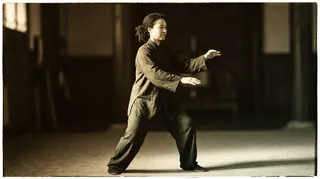
Tai chi forms are the heart of the practice. A form is a fixed sequence of movements — sometimes called a "kata" if you come from a Japanese martial arts background — performed slowly and continuously from start to finish. Most people begin with the Yang-style 24-form, a simplified sequence developed in 1956 that distills the essentials of Yang-style tai chi into about six minutes of movement. From there, the world opens up: Chen style, the oldest surviving lineage, with its coiling power and occasional explosive releases; Sun style, developed by Sun Lutang in the early 20th century, lighter on its feet and favoured by older practitioners; Wu style, compact and precise, popular in Hong Kong and southeast Asia.
In my experience, picking a style is less important than most beginners think. The Yang 24 is a good starting point because teachers are easy to find and instructional material is widely available. Once you can move through it without thinking too hard about what comes next, you'll have enough body sense to explore other styles on your own terms. The guides in this section cover the Yang 24 in detail, compare the major styles side by side, and break down individual movement sequences for people who are learning from video or trying to recall what they practiced in class.
This section also covers weapon forms — sword, fan, broadsword — which are intermediate-level additions to a form practice, not a separate discipline. If you're wondering whether forms still matter in a world full of qigong sets and flow sequences, the short answer is yes: a good form gives you a complete circuit of the body's movement vocabulary in a single continuous practice.
Articles in Tai Chi Forms
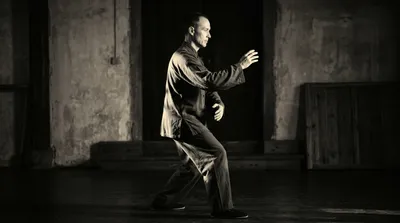
Wu Style Tai Chi: The Compact, Sensitive Style
A guide to Wu style tai chi — the Wu family lineage, the characteristic inclined posture and compact frame, its push hands reputation, and how it compares.
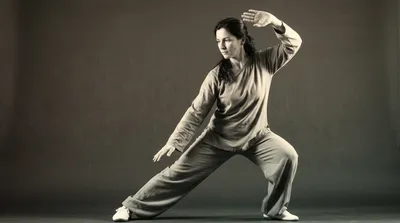
White Crane Tai Chi: The Posture and the Confusion
White Crane in tai chi explained — the White Crane Spreads Its Wings posture, how to perform it, and why Fujian White Crane kung fu is a different art entirely.
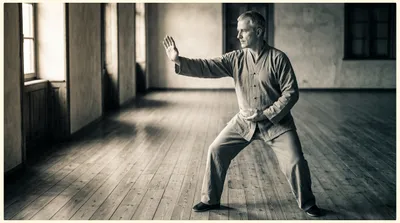
The Tai Chi 108 Form: Yang Style Long Form Guide
The Yang style long form explained — why the movement count varies from 85 to 108, what the form contains, how long it takes to learn, and how to practise it.
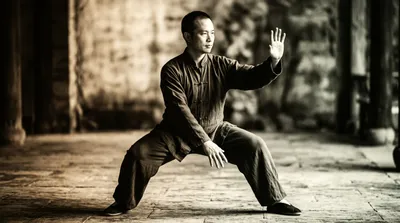
The Tai Chi 48 Form: A Complete Guide
The combined 48 form tai chi explained — its 1976 origins, the four styles it draws on, section structure, and how it bridges the 24 form and the long form.
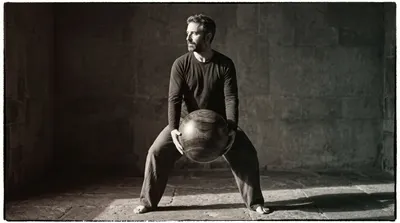
Tai Chi Ball Training: The Taiji Ball Explained
What the tai chi ball is, what rolling and circling a weighted sphere actually trains, how it differs from baoding balls, and simple exercises to start with.

Tai Chi Weapons: Sword, Sabre, Staff, Spear and Fan
A guide to tai chi weapons forms — the jian, dao, staff, spear and fan, what each trains, when to start weapons practice, and how to choose your first weapon.
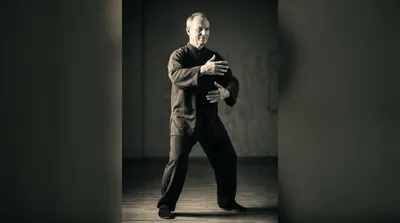
Sun Style Tai Chi: The Gentlest of the Major Styles
A guide to Sun style tai chi — Sun Lutang's synthesis of xingyi, bagua and tai chi, its distinctive open-close hands and agile step, and why it suits arthritis.
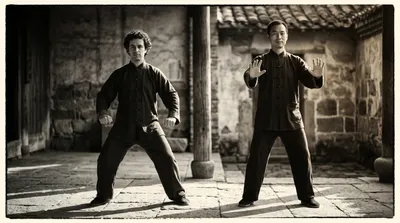
Chen vs Yang Tai Chi: The Differences That Matter
Chen style or Yang style? A practical comparison of stance, tempo, power, difficulty, and health suitability to help you choose the right tai chi style to learn.
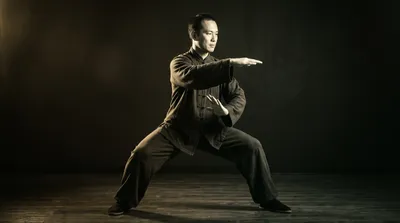
Yang Style Tai Chi: A Complete Overview
Yang style is the world's most practised tai chi system. Learn its history, key characteristics, major forms, and why it's the best starting point for beginners.
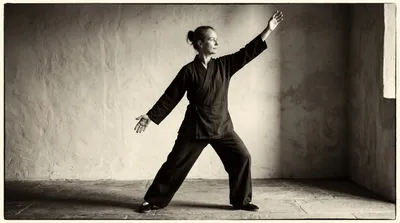
Tai Chi Move Names: Chinese and English Reference Guide
A reference guide to common tai chi movement names with Chinese pinyin and English translations, plus descriptions of each movement's character and martial application.
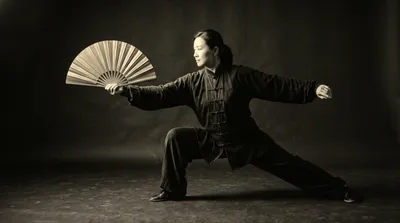
Tai Chi Fan Form: Techniques, Styles, and How to Begin
Discover tai chi fan form practice — opening and closing techniques, common fan sequences, and the difference between performance and martial fan work.
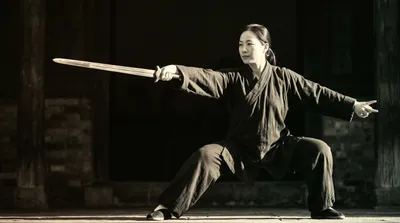
Tai Chi Sword Form: Learning the Jian in Yang Style
The jian is the defining tai chi weapon. Learn about grip, basic cuts and thrusts, the Yang-style 32-movement sword form, and how to begin sword practice.
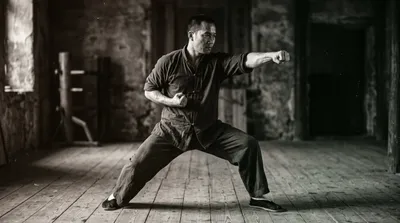
Chen Style Tai Chi: Origins, Principles, and Practice
Chen style is the oldest tai chi tradition. Explore its origins in Chen Village, silk-reeling energy, fajin, and what makes it distinct from other styles.
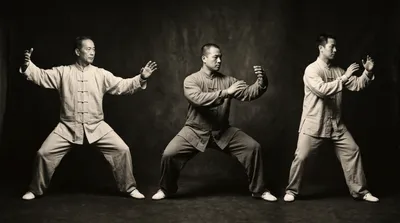
Tai Chi Styles Compared: Yang, Chen, Sun, Wu, and Wu Hao
A balanced comparison of the five major tai chi styles — Yang, Chen, Sun, Wu, and Wu Hao — covering speed, emphasis, difficulty, and who practises each.
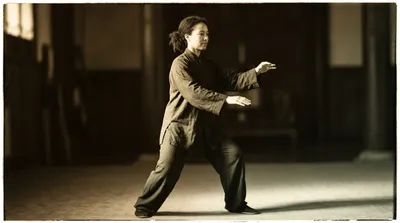
Yang Style 24 Form: Complete Step-by-Step Guide
The Yang-style 24 form is the world's most practised tai chi sequence. Learn all 24 movements with clear guidance, posture tips, and real practice advice.