History & Philosophy
Origins, lineages, masters, and the philosophical roots of tai chi.
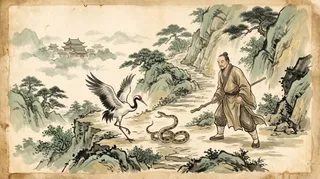
Tai chi didn't appear fully formed. It developed over several centuries in Chen Village (Chenjiagou) in Henan province, codified by the Chen family into what we now recognize as Chen-style tai chi — the oldest surviving form of the art. From there, it spread through a chain of students and teachers: Yang Luchan learned from Chen Changxing in the 19th century and eventually brought a modified version to Beijing, where it became what we now call Yang style. Each subsequent lineage — Wu, Sun, and others — branched from one of these roots.
The philosophical underpinnings run through Taoism, particularly the concepts of yin and yang, wuji (the state before differentiation), and wu wei (non-forced action). These aren't decorative additions to a physical practice — they're the conceptual framework that explains why tai chi moves the way it does. Understanding why the arms stay soft, why weight shifts are gradual, or why you never commit fully to a position makes a lot more sense once you've read something about the Taoist worldview that produced those principles.
I find this history genuinely interesting rather than obligatory. Knowing that Yang Chengfu standardized the Yang form in the 1920s, or that the Chinese Sports Commission created the simplified 24-form in 1956 specifically to make tai chi teachable at scale, changes how you think about what you're practicing. The guides here cover the historical lineages, the major masters, the philosophical roots, and the meaning behind terms like taijiquan that often get used without explanation.
Articles in History & Philosophy
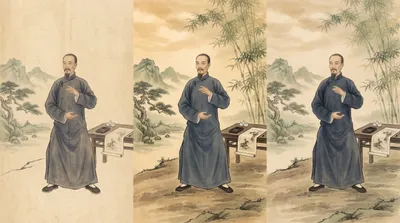
Cheng Man-ch'ing: The Professor Who Brought Tai Chi West
The life of Cheng Man-ch'ing — master of five excellences, creator of the 37-posture short form, and the teacher who did most to establish tai chi in America.
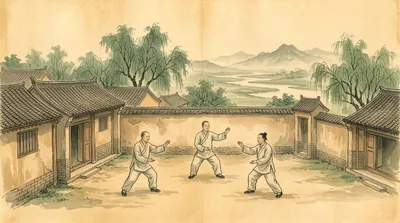
Chen Village: The Birthplace of Tai Chi
The story of Chenjiagou, the Henan village where tai chi began — its history, the generations of the Chen family, and what the village is really like today.
Tai Chi Quotes: The Real Ones and Their Sources
Genuine tai chi quotes from the classical texts, the Tao Te Ching, and named masters — with sources, plus a note on the popular sayings that are misattributed.
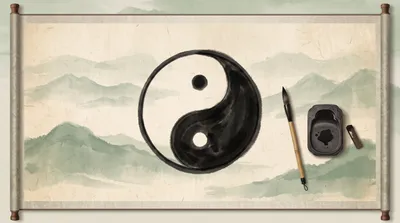
What Does Tai Chi Chuan Mean? The Name Explained
Tai chi chuan translated character by character — what taiji means, why the yin-yang symbol is really the taijitu, and why the art is properly called taijiquan.
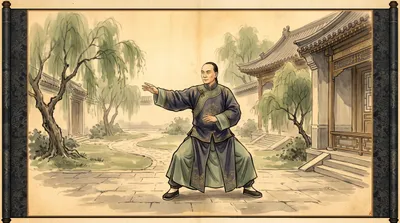
Yang Family Tai Chi Lineage: From Yang Luchan to Today
Trace the Yang family tai chi lineage from Yang Luchan's study in Chen Village to Yang Chengfu's standardised form that became the world's most practised style.
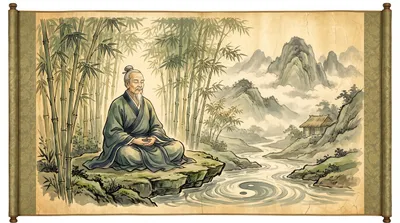
Tai Chi Philosophy and Taoism: The Ideas Behind the Practice
Tai chi is rooted in Taoist philosophy. Understand yin-yang, wu wei, and the Tao Te Ching's influence on tai chi principles and how they shape every movement.
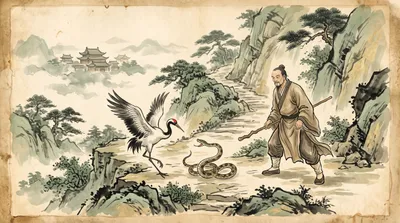
History of Tai Chi: Origins, Legends, and How It Spread
Explore the history of tai chi from Chen Village origins and the Zhang Sanfeng legend to the five major family styles that shaped modern global practice.
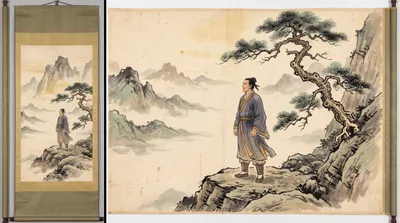
Wuji: The Concept of Limitlessness in Tai Chi and Taoism
Wuji means 'without ridgepole' — the undifferentiated state before yin and yang. Explore its Taoist origins and its practical role in tai chi practice.