Tai chi is one of the most thoroughly researched complementary health practices in the world. Unlike many wellness modalities supported primarily by anecdote and tradition, tai chi has been studied in randomised controlled trials, meta-analyses, and systematic reviews across dozens of health conditions. The findings are unusually consistent.
This article summarises what the evidence actually shows — with real citations, realistic characterisation of the evidence quality, and clear statements about where the research is strong versus preliminary. If you’ve been wondering whether the health claims for tai chi hold up, this is the direct answer.
Balance, Coordination, and Fall Prevention
The most robustly supported health benefit of tai chi is improved balance and reduced fall risk. This is not a marginal or contested finding — it’s supported by a substantial body of high-quality evidence across multiple populations.
Multiple systematic reviews and meta-analyses have confirmed that regular tai chi practice significantly reduces fall rates in older adults. A 2012 Cochrane review of interventions to prevent falls in older people living in the community, which included 159 trials, found that tai chi significantly reduced the risk of falling among community-dwelling older adults. A 2017 meta-analysis published in the Journal of the American Geriatrics Society found high-quality evidence that tai chi reduced the rate of falls by approximately 43% over the short term (under 12 months) in older and at-risk adults.
The mechanisms are understood. Tai chi trains proprioception — the body’s sense of its own position in space — through its slow, deliberate weight transfers and postural challenges. It also trains the hip and ankle muscles used for balance recovery, and the attentional focus required in practice translates to better environmental awareness during daily activities.
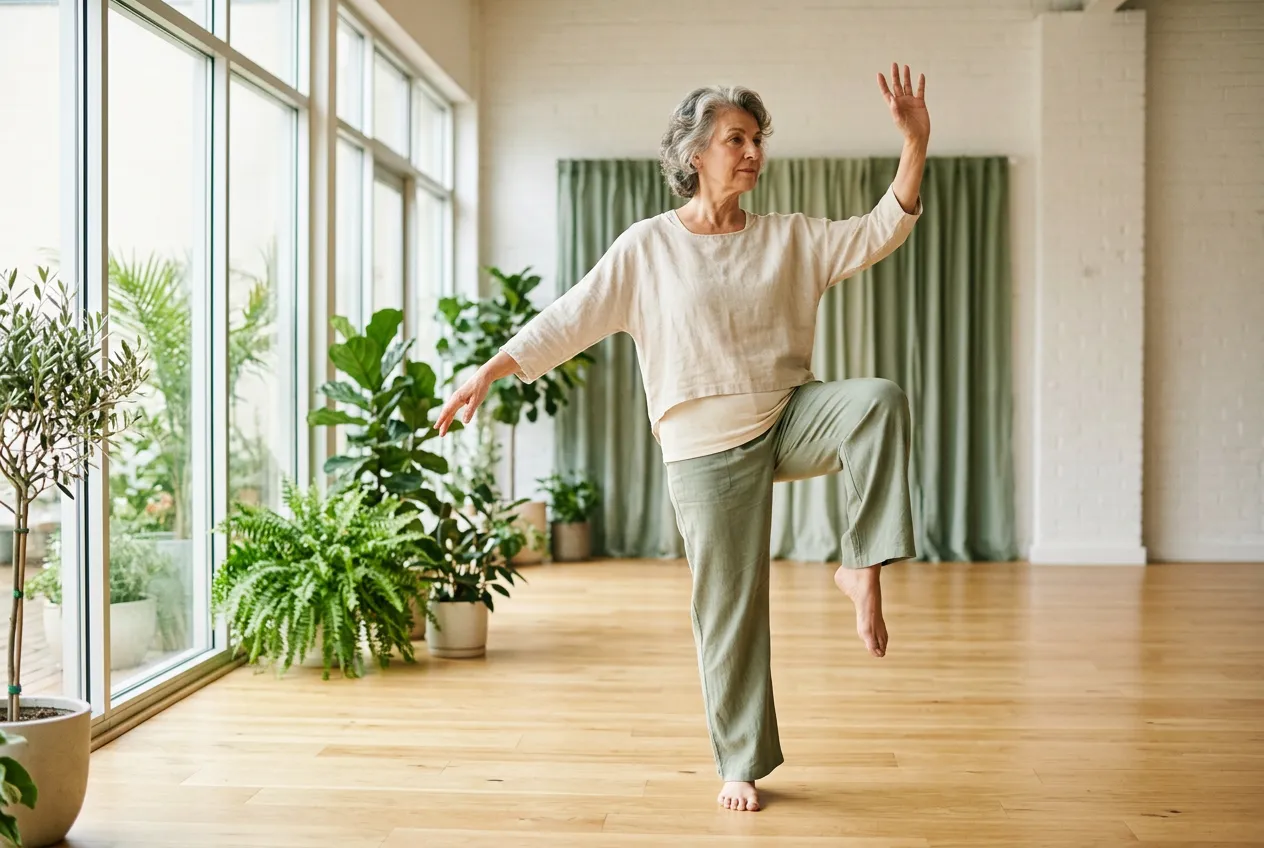
I’ve been doing tai chi for over 10 years, and the change in balance I’ve experienced personally is striking. Standing on one leg while completing the weight shift in a movement that once felt precarious now feels completely stable. That change doesn’t come from strength — it comes from the accumulated hundreds of hours of practising weight transfer at speed zero.
This makes tai chi particularly valuable for populations with high fall risk: adults over 65, people with Parkinson’s disease, and those recovering from stroke or neurological events. The balance and fall prevention detail has the full evidence breakdown for these groups.
Cardiovascular and Blood Pressure Benefits
Tai chi produces measurable improvements in cardiovascular markers, particularly in populations with elevated baseline risk. The evidence is good, though the magnitude of effect is modest compared to vigorous aerobic exercise.
Blood pressure: Multiple randomised trials have found tai chi reduces both systolic and diastolic blood pressure in people with hypertension. A 2020 meta-analysis published in Evidence-Based Complementary and Alternative Medicine analysed 24 randomised controlled trials and found tai chi significantly reduced systolic blood pressure (mean difference of approximately 6 mmHg) and diastolic blood pressure compared with inactivity, though it did not show a significant advantage over other forms of aerobic exercise.
Heart rate variability: HRV is a marker of autonomic nervous system health — higher HRV is associated with better cardiac health and stress resilience. Studies have found significant HRV improvements in regular tai chi practitioners compared to sedentary controls.
Lipid profiles: Some trials have found improvements in cholesterol ratios among tai chi practitioners, though this evidence is less consistent than the blood pressure findings.
The cardiovascular benefits of tai chi are real, but context matters. Tai chi is a low-to-moderate intensity practice — comparable to brisk walking in metabolic demand. It’s not a replacement for higher-intensity aerobic exercise if that’s clinically indicated, but it’s a genuine contributor to cardiovascular health, particularly for people who struggle with higher-intensity exercise.
Mental Health: Anxiety, Stress, and Depression
The mental health evidence for tai chi is among the strongest in any category, and arguably the least surprising. Tai chi combines several elements known to support mental wellbeing: rhythmic movement, focused attention, social participation, and time outdoors.
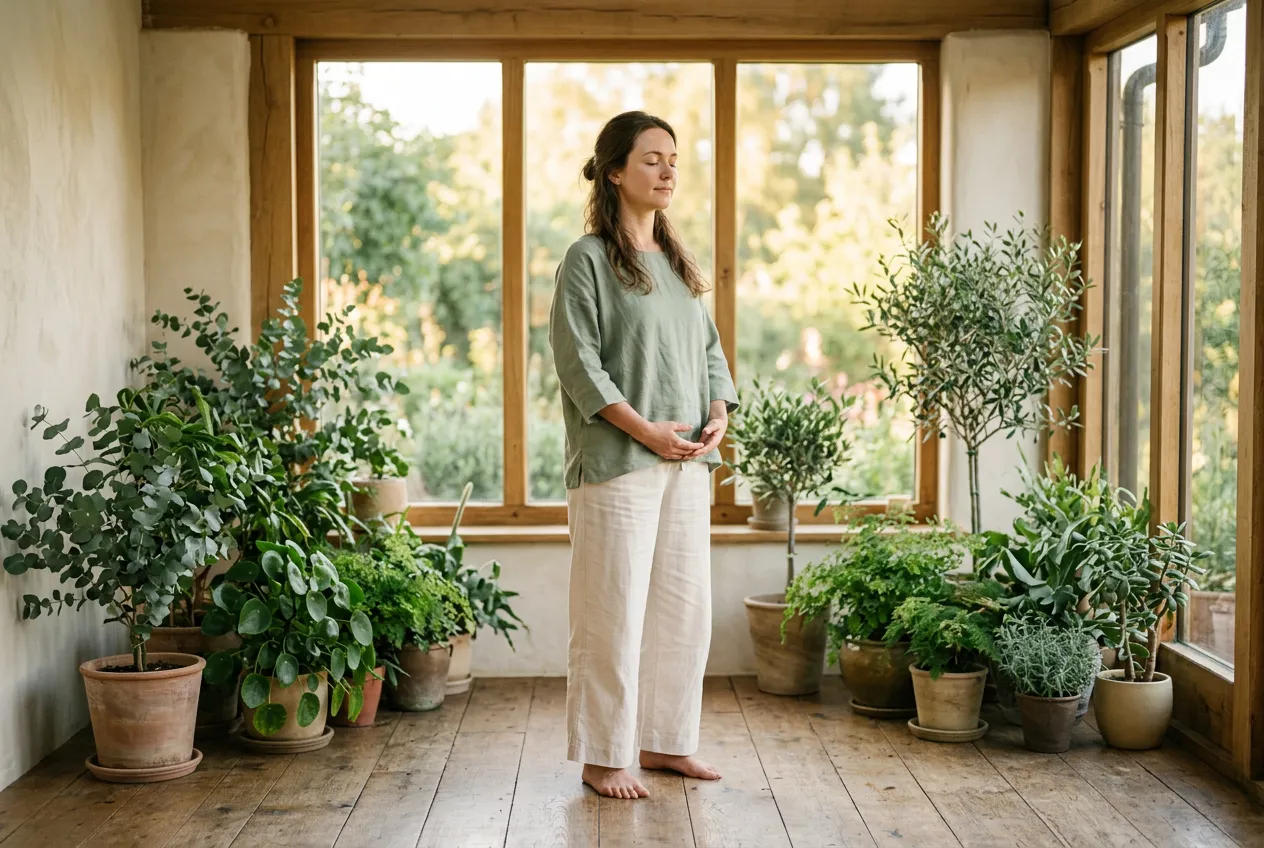
Anxiety: A 2019 meta-analysis and systematic review of 14 studies found that tai chi chuan produced moderate-to-large positive effects on negative emotions, including anxiety and depression, in non-clinical populations — with older adults benefiting more than younger adults.
Depression: Multiple trials have found reductions in depressive symptoms, including in populations with clinical depression diagnoses. The 2019 analysis above also found significant effects on depression measures. A Harvard Health overview of tai chi covers its role in stress reduction alongside its physical benefits.
Stress: Cortisol, a commonly used marker of stress-hormone activity, tends to run lower around regular tai chi practice, consistent with the anxiety-reduction evidence above. The focused, meditative quality of the practice is likely the primary mechanism — it’s functionally similar to mindfulness meditation in this respect.
My own experience with tai chi’s mental health effects is primarily around stress regulation. There’s a specific quality to the focused attention required during practice — you genuinely cannot be worrying about a work problem while simultaneously trying to correctly execute a weight transfer. That forced presence is, in effect, a structured break from ruminative thinking. I hadn’t expected that when I started; it’s become one of the main reasons I practise.
The mental health and anxiety overview covers these findings in more depth, including what the research says about specific conditions.
Arthritis and Joint Pain
Tai chi for arthritis has been studied in rigorous clinical trials, with findings substantial enough to inform clinical guidelines in multiple countries.
The landmark research comes from Chenchen Wang at Tufts Medical Center, whose 2016 Annals of Internal Medicine trial demonstrated that tai chi produced beneficial effects similar to a standard course of physical therapy for reducing pain and improving function in knee osteoarthritis. Subsequent trials have replicated and extended these findings.
The mechanism is straightforward: tai chi strengthens the muscles around affected joints without the impact stress of running or jumping, improves flexibility and range of motion, and the mind-body focus helps practitioners move more carefully and deliberately through previously painful movement patterns.
Osteoarthritis: Multiple guidelines now include tai chi as a recommended management option for knee and hip osteoarthritis. The evidence level for OA is strong.
Rheumatoid arthritis: Evidence is more limited but positive — studies have found improvements in quality of life and functional outcomes without reported harm.
Fibromyalgia: A 2018 comparative effectiveness trial published in The BMJ, also from Chenchen Wang’s group found tai chi produced similar or greater improvement in fibromyalgia symptoms than aerobic exercise, the current standard non-drug treatment — a finding that generated significant attention in rheumatology and physical therapy circles.
The arthritis and joint pain guide has detailed information for people with specific diagnoses.
Sleep Quality
Tai chi’s effect on sleep is supported by a moderate body of evidence, though this is an area where more high-quality trials are needed.
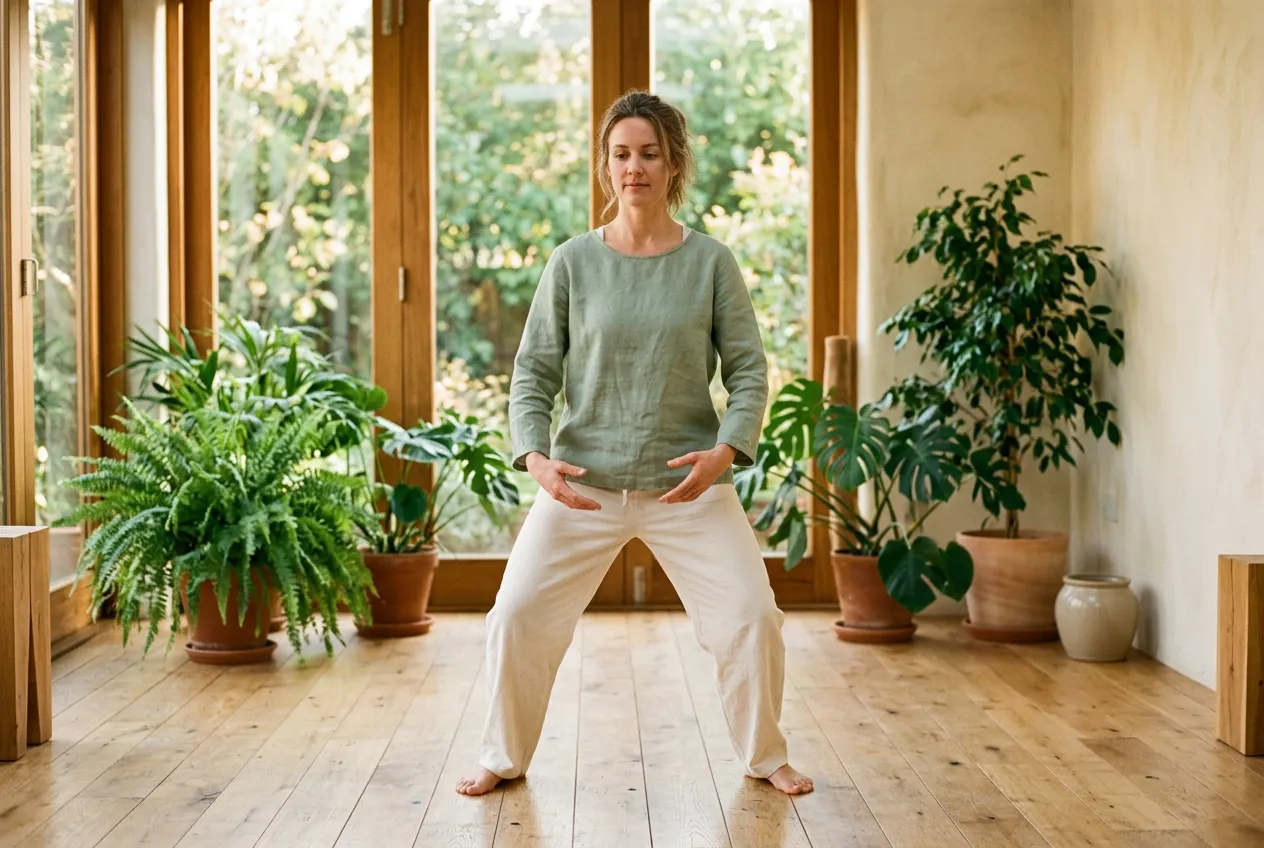
A 2020 systematic review and meta-analysis published in the Journal of Affective Disorders reviewed 20 randomised controlled trials covering 1,703 patients and found tai chi produced significant improvements in sleep quality (measured by the Pittsburgh Sleep Quality Index) compared with both non-treatment and active-treatment control groups, in people with insomnia and other conditions. The likely mechanisms include reduced arousal (through stress reduction and relaxation), improved mood, and the physical fatigue component of regular movement practice.
Immune Function and Inflammation
Early research suggests tai chi may have modest positive effects on immune markers. A well-publicised study by Michael Irwin at UCLA compared tai chi to health education in older adults and found higher varicella-zoster antibody levels (indicating stronger vaccine-related immune response) in the tai chi group. This work is genuinely interesting but represents early evidence — it needs replication across broader populations before strong conclusions can be drawn.
Inflammatory markers (including CRP) have shown reductions in some tai chi studies, particularly in populations with elevated baseline inflammation. This is consistent with the stress-reduction and physical activity mechanisms, both of which have documented anti-inflammatory effects.
Neurological Conditions: Parkinson’s Disease
Of all the specific condition applications, Parkinson’s disease has been among the most carefully studied. A 2012 New England Journal of Medicine paper by Li et al. compared tai chi, resistance training, and stretching in 195 people with mild-to-moderate Parkinson’s — tai chi showed significantly better postural-stability outcomes than both alternatives, and outperformed the resistance-training group specifically on stride length and functional reach.
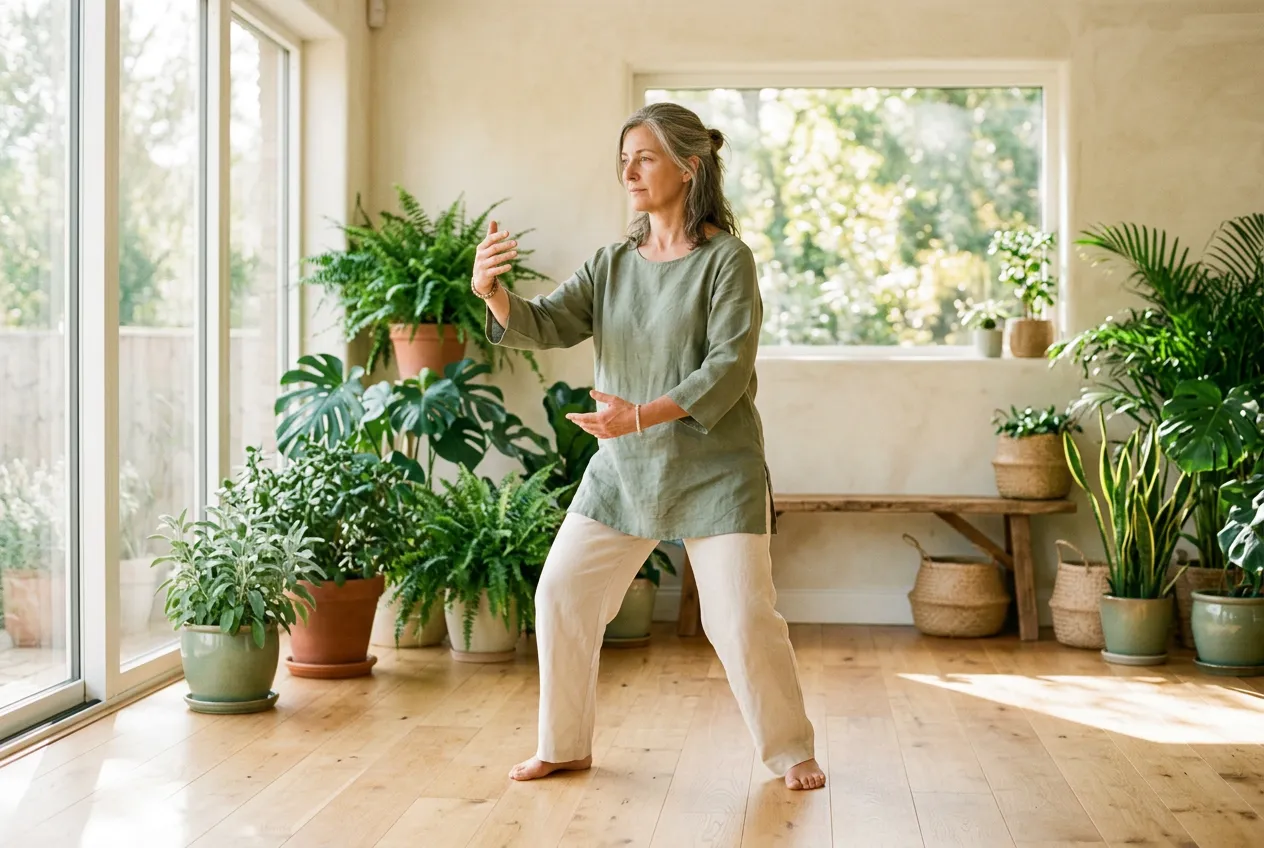
This is a meaningful finding: Parkinson’s is a condition where balance and fall prevention are primary management concerns, and tai chi addresses both mechanisms that are most compromised by the disease. Neurologists increasingly include tai chi in Parkinson’s management recommendations.
What the Research Doesn’t Support
A balanced overview requires acknowledging limitations.
Weight loss: Tai chi is not a weight loss intervention in any meaningful sense. Its caloric expenditure is modest (roughly equivalent to slow walking). Articles claiming tai chi is a weight loss tool are overstating the evidence substantially.
Curative claims: Tai chi does not cure, reverse, or prevent any disease. The research supports symptom management, quality of life improvement, and risk reduction in specific populations — not disease modification in the clinical sense.
Universal application: Most trials are conducted in older adult populations. Extrapolating findings to younger, healthy populations involves assumptions that haven’t always been tested.
As someone who cares about accurate health information, I think it’s important to state these limits clearly. Tai chi has an unusually strong evidence base for a complementary practice. It doesn’t need to be oversold.
Practical Considerations
For the health benefits to materialise, practice needs to be regular. Most trials that show significant effects involve practice 3–5 times per week for 12 weeks or longer. Short-course tai chi produces some benefits; the more substantial effects emerge from sustained practice.
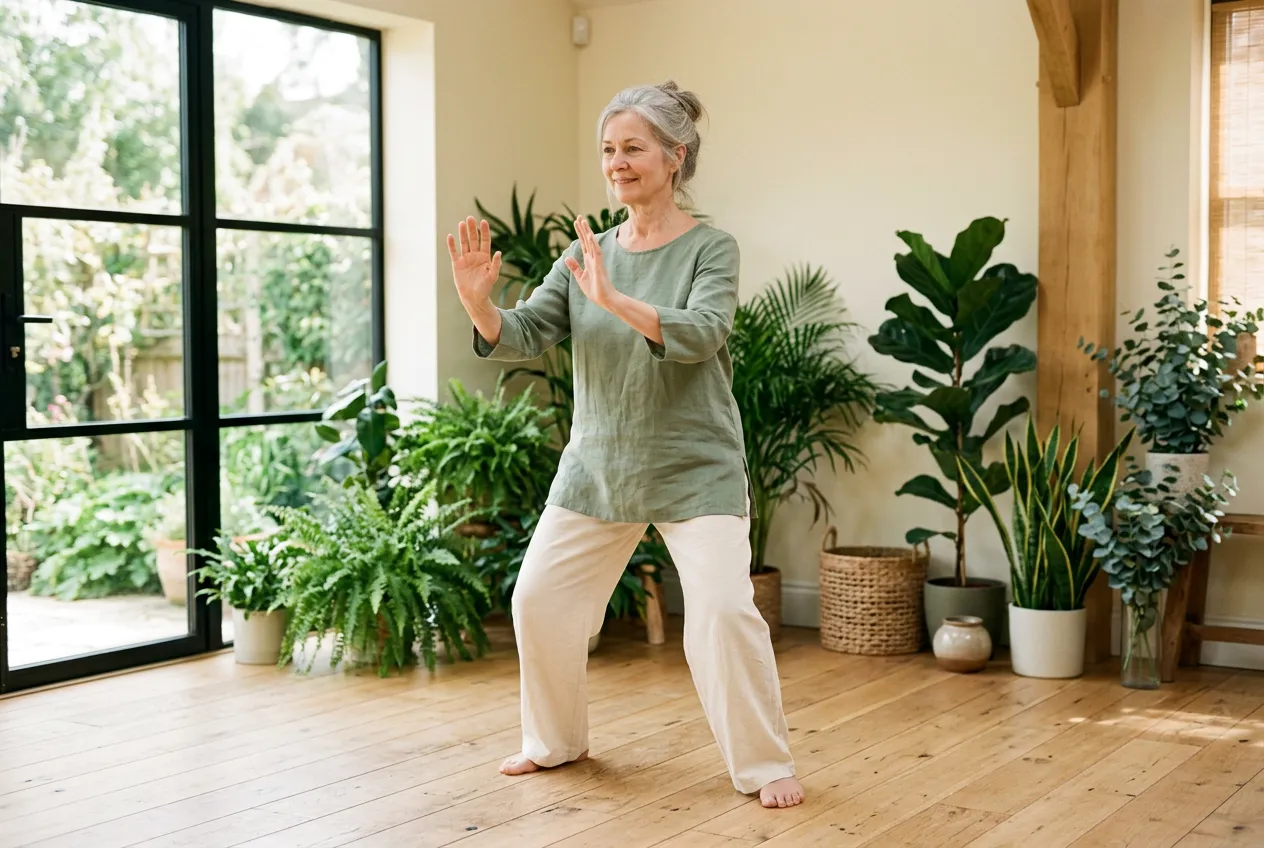
The style of tai chi studied most frequently in clinical trials is Yang style (and modified short forms derived from it). Sun style has also been used in many trials, particularly arthritis research. The evidence doesn’t suggest meaningful differences between styles for health outcomes.
For people with specific health conditions, the most useful starting points from this site are:
- Tai chi for balance and fall prevention
- Tai chi for mental health and anxiety
- Tai chi for arthritis and joint pain
And if you’re still forming an opinion about what tai chi actually is, what is tai chi covers the fundamentals.
Frequently Asked Questions
Is there scientific evidence for tai chi health benefits?
Yes — substantial and consistent evidence. Tai chi has been studied in randomised controlled trials, systematic reviews, and meta-analyses across multiple health conditions. The strongest evidence is for balance and fall prevention, blood pressure reduction, and mental health outcomes including anxiety and depression. The research base is significantly stronger than for many complementary health practices.
How long do you need to practise tai chi to see health benefits?
Most clinical trials showing significant benefits involve 12 weeks or more of regular practice (typically 3–5 sessions per week). Some benefits — particularly mood and stress effects — may appear sooner. Balance improvements tend to become noticeable around 8–12 weeks. The most robust health effects come from sustained, long-term practice.
Is tai chi better than other forms of exercise for health?
For specific outcomes, yes. For fall prevention in older adults, the evidence suggests tai chi outperforms many other exercise types. For balance, body awareness, and stress reduction, tai chi compares favourably to alternatives. For cardiovascular fitness or weight loss, higher-intensity aerobic exercise outperforms tai chi. The two are complementary rather than competing.
Can tai chi replace medication or medical treatment?
No. Tai chi is a complementary practice — it supports health management but doesn’t replace medical treatment for diagnosed conditions. People with specific health conditions (arthritis, Parkinson’s, cardiovascular disease) should practise tai chi alongside, not instead of, their medical care. Tai chi is most valuable as part of a comprehensive health approach.
What conditions has tai chi been shown to help?
The strongest evidence is for: balance and fall prevention (especially in older adults), blood pressure reduction, arthritis pain management (particularly knee osteoarthritis and fibromyalgia), anxiety and depression symptoms, Parkinson’s disease balance and fall outcomes, and sleep quality. Evidence is more preliminary for immune function, cognitive benefits, and other conditions.