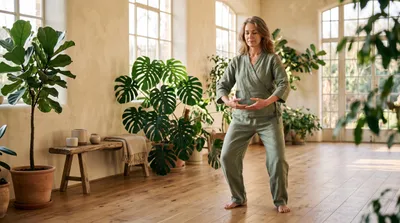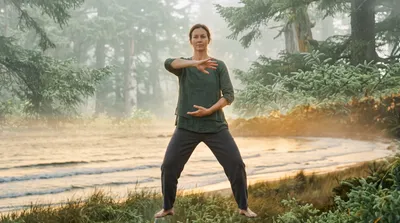
The Five Animal Frolics — Wu Qin Xi (五禽戲) in Chinese — is one of the oldest medical qigong systems in the recorded Chinese tradition. Where the Eight Brocades (Ba Duan Jin) is built around structural mechanics and energy cultivation, the Five Animal Frolics works through a different principle: imitating animals. Not the externalised performance of animal behaviour, but an internal mimicry of each animal’s characteristic quality of movement and energy.
Five animals, five distinct movement vocabularies, each associated with a specific organ system and quality of vitality: Tiger, Deer, Bear, Monkey, Crane.
Historical Origins: Hua Tuo and the Han Dynasty
The Five Animal Frolics is traditionally attributed to Hua Tuo (華佗), a physician of the Eastern Han Dynasty who lived approximately 145–208 CE. The attribution is historically documented — classical texts, including Ge Hong’s Baopuzi written around 320 CE and the Hou Han Shu (Book of the Later Han), specifically credit Hua Tuo with creating a five-animal exercise system.
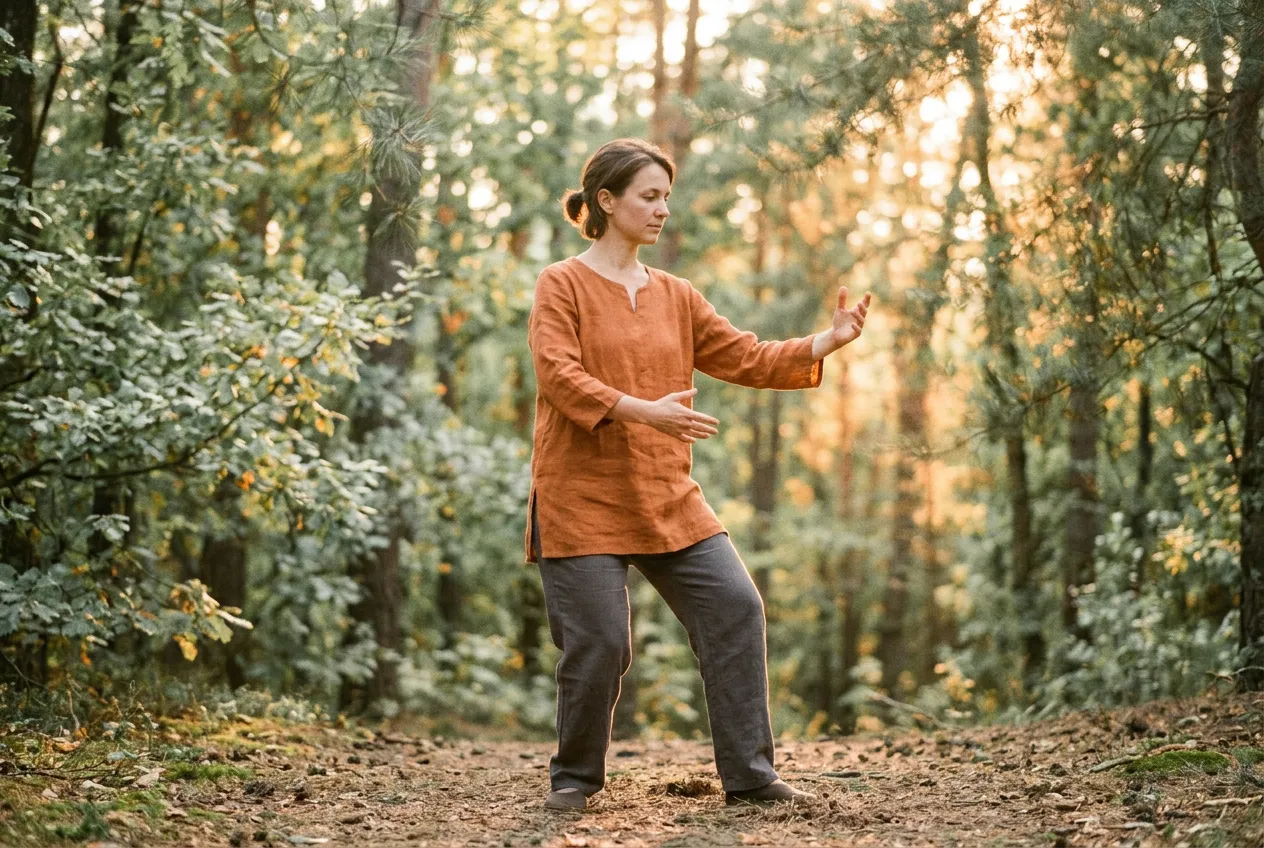
This attribution is widely accepted within the Chinese medical and qigong tradition, though historians note that the details of Hua Tuo’s life are incompletely documented and some elements of his biography contain legendary accretions common in classical Chinese historiography. The core attribution — that the Five Animal Frolics originates with or was significantly shaped by a Han-Dynasty physician — is well-supported by multiple early sources.
Hua Tuo is also celebrated in traditional Chinese medicine as a skilled surgeon and the reputed developer of the first surgical anaesthetic (mafeisan). His placing the five-animal exercises within a medical framework — as movement therapy rather than martial practice — is consistent with this medical orientation, and it explains the set’s structure: each animal corresponds to a specific organ system in traditional Chinese medicine theory.
The five-animal system has been transmitted continuously since the Han period, with various lineages developing their own versions. Like all traditional practices transmitted over nearly two millennia, the specific movements have evolved, and different schools practise recognisably different versions. The version most commonly taught today in China is the standardised form codified by the Chinese Health Qigong Association in 2003, which drew from traditional lineages to create a version suitable for widespread health promotion. The Wikipedia article on Wu Qin Xi provides a useful overview of the textual history.
I find the historical depth of this set genuinely affecting when I practise it. The Eight Brocades has a similar history, but there’s something about the animal principle — the idea of borrowing the quality of a tiger or a crane — that makes the connection to an old medical tradition feel vivid rather than abstract.
The Five Animals: Movements and Health Associations
Each animal is associated with a specific organ system in traditional Chinese medicine theory, a quality of energy (qi), and a movement vocabulary that expresses that quality. The health associations should be understood within their traditional context — not as modern medical claims but as the organising principle of a coherent therapeutic system that has been practised for nearly 2,000 years.
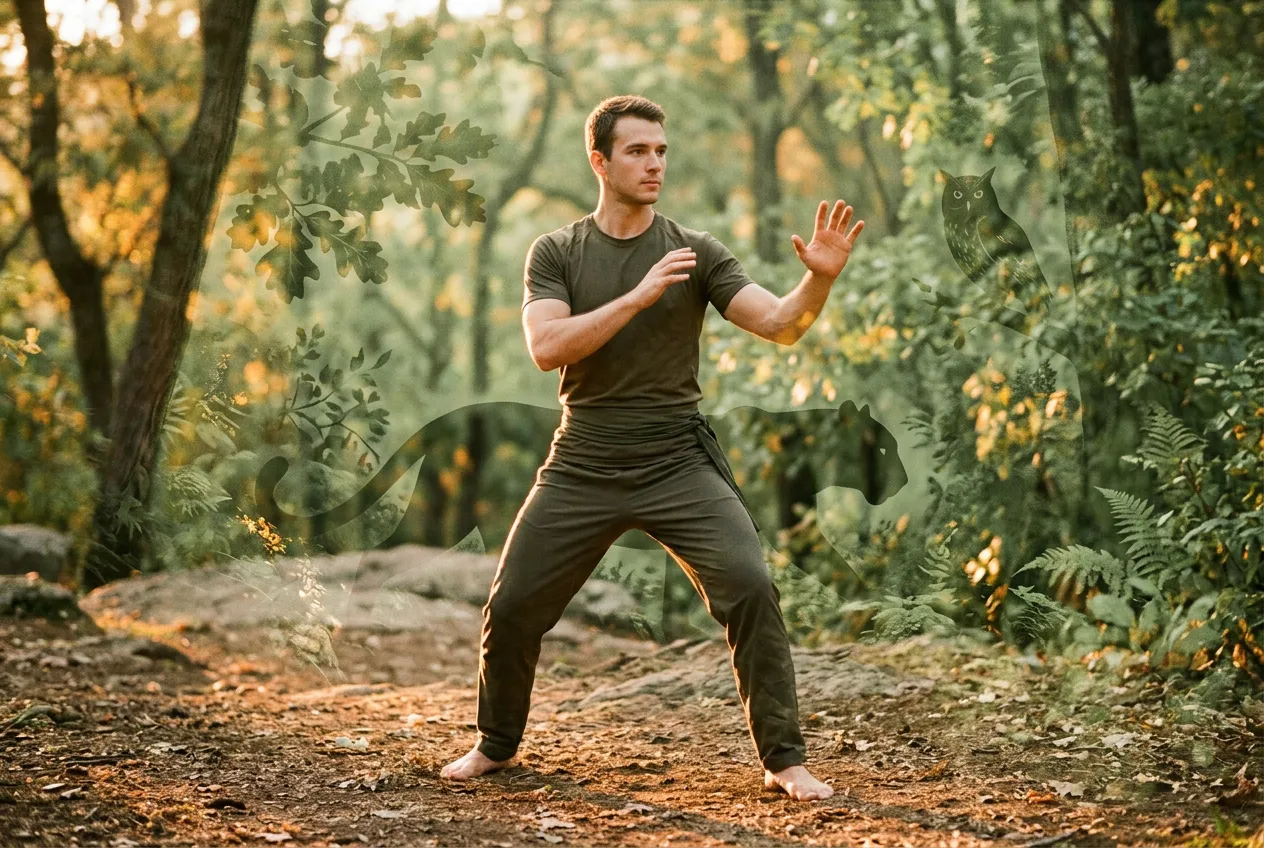
The Tiger — Hu (虎)
Associated organ: Liver Quality: Strength, power, focused aggression; Yang energy with a fierce, direct quality
Tiger movements involve powerful stretches, clawing extensions of the hands, and strong focused gazes. The practitioner embodies the tiger’s quality of concentrated, rooted power — coiling before striking, grounded in stillness before explosive extension.
The movements associated with the Tiger section typically include: deep crouching postures that engage the hip flexors and legs, forward stretches where the hands are “clawed” and extended powerfully forward, and a quality of fierce visual focus.
In traditional theory, the Tiger exercises benefit the liver and tendons — the liver governs the tendons in Chinese medical thought. At a physiological level, the deep stretching and powerful extensions characteristic of Tiger movements work the fascial lines of the body and challenge the practitioner’s rooting and balance.
When I first learned the Tiger section, the instinct was to perform it — to act powerful rather than be powerful. What changed the experience was being told to start from stillness: feel the root in the ground before the movement begins. The power isn’t performed; it emerges from being well-grounded.
The Deer — Lu (鹿)
Associated organ: Kidneys Quality: Grace, lightness, awareness, vigilance; fluid, alert, and gentle
Deer movements are characterised by light, flowing upper-body motions and gentle rotational movements of the waist and spine. The deer’s characteristic quality is an alert, light-footed grace — the awareness of a prey animal that must notice its environment at all times.
Typical Deer movements include: gentle antler-like gestures with the hands (fingers extended and spread), flowing lateral stretches, and weight transfers that have a floating, buoyant quality. The spine receives particular attention — twisting and lateral movements decompress the lumbar and thoracic regions.
In Chinese medical theory, the Deer exercises benefit the kidneys and the bones (the kidneys govern the bones). The kidney system in Chinese medicine also governs the fundamental jing (essence) — the basic vital resource — which is why the Deer section is often described as restorative and replenishing rather than stimulating.
The Bear — Xiong (熊)
Associated organ: Spleen and stomach Quality: Stability, heaviness, groundedness; internal cultivation
Bear movements are slow, heavy, and deliberate. The practitioner embodies the bear’s quality of settled, unhurried weight — the opposite of the Monkey’s quick lightness. The movements involve low-stance work, heavy rolling of the body from side to side, and an internal quality of consolidating and gathering.
Typical Bear movements include: wide, low stances; a rolling, swaying quality to the torso movements; and an internal focus on the lower abdomen and dantian (the energy centre below the navel). The movements are often less visually dramatic than Tiger or Crane but require the most internal attention to the qualities of weight and settling.
In Chinese medical theory, the Bear exercises benefit the spleen and stomach — the digestive system in the Chinese functional sense, which governs transformation and transportation of nutrients. At a physiological level, the Bear movements involve strong core engagement, diaphragm activation through the deep breathing patterns, and the kind of grounded stability training that benefits both balance and structural integrity.
The Bear section is where I notice the most difference between practising it superficially and practising with genuine internal attention. The movements look simple but require sustained awareness of the weight quality throughout.
The Monkey — Hou (猴)
Associated organ: Heart Quality: Quick, playful, alert, light; nimble and responsive
Monkey movements are quick, lively, and unpredictable — entirely unlike the slow, deliberate character of most qigong practice. The practitioner embodies the monkey’s darting attention, quick changes of direction, and playful nimbleness. Within the overall slow pace of the set, the Monkey section provides genuine contrast and wakes the practitioner from any settling into repetitive rhythm.
Typical Monkey movements include: quick arm reaches with grabbing gestures (as if plucking fruit), rapid head turns, changes of direction, and light, bouncy footwork. The movements require agile coordination and quick response.
In Chinese medical theory, the Monkey exercises benefit the heart — which governs mental alertness and clarity (shen) in the Chinese system. The quick, alert quality of monkey movement is said to cultivate the heart’s capacity for clear perception.
The Monkey section is unusual enough in qigong practice that it tends to produce a slight surprised laughter response in groups. The permission to be quick and playful in a practice typically associated with slow deliberation is genuinely refreshing — and the contrast between Monkey and Bear, practised in sequence, is a study in the full range of movement qualities.
The Crane — He (鶴)
Associated organ: Lungs Quality: Lightness, balance, breathing, elevation; graceful and open
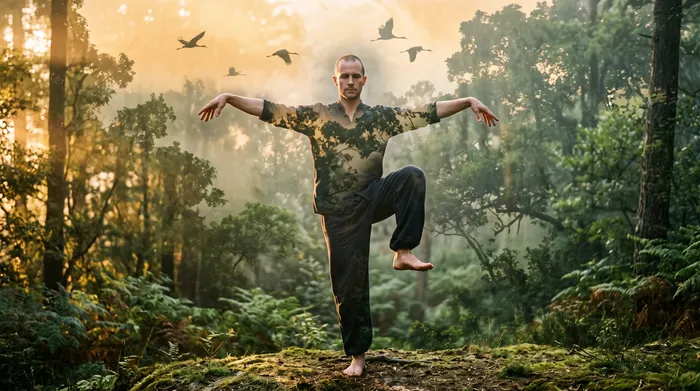
Crane movements are characterised by spreading arms (wings), single-leg balancing, and movements that open and expand the chest. The crane’s quality is of elevated, unhurried grace — a bird that stands absolutely still, then rises into effortless flight.
Typical Crane movements include: arms spreading wide from the sides in a wing-extending gesture, single-leg balance poses that develop rooting and proprioception, and movements that expand the chest on inhalation and gather on exhalation.
In Chinese medical theory, the Crane exercises benefit the lungs. The chest-opening, breath-focused character of Crane movements makes this association functionally evident — the movements create the structural conditions for full, deep breathing. The single-leg balance elements also develop the vestibular proprioception that underlies all balance function.
The Crane closing is often described as the natural conclusion of the set — the practitioner ends elevated, open, and quiet after the journey through all five animals.
Practising the Five Animal Frolics
Unlike the Eight Brocades or Shibashi, which can be practised as sets of individual pieces, the Five Animal Frolics is most powerful as a complete practice moving through all five animals in sequence. The progression — from Tiger’s focused power to Deer’s grace to Bear’s heaviness to Monkey’s quickness to Crane’s elevation — creates a complete cycle that touches every major quality of energy and every major organ system in the traditional framework.
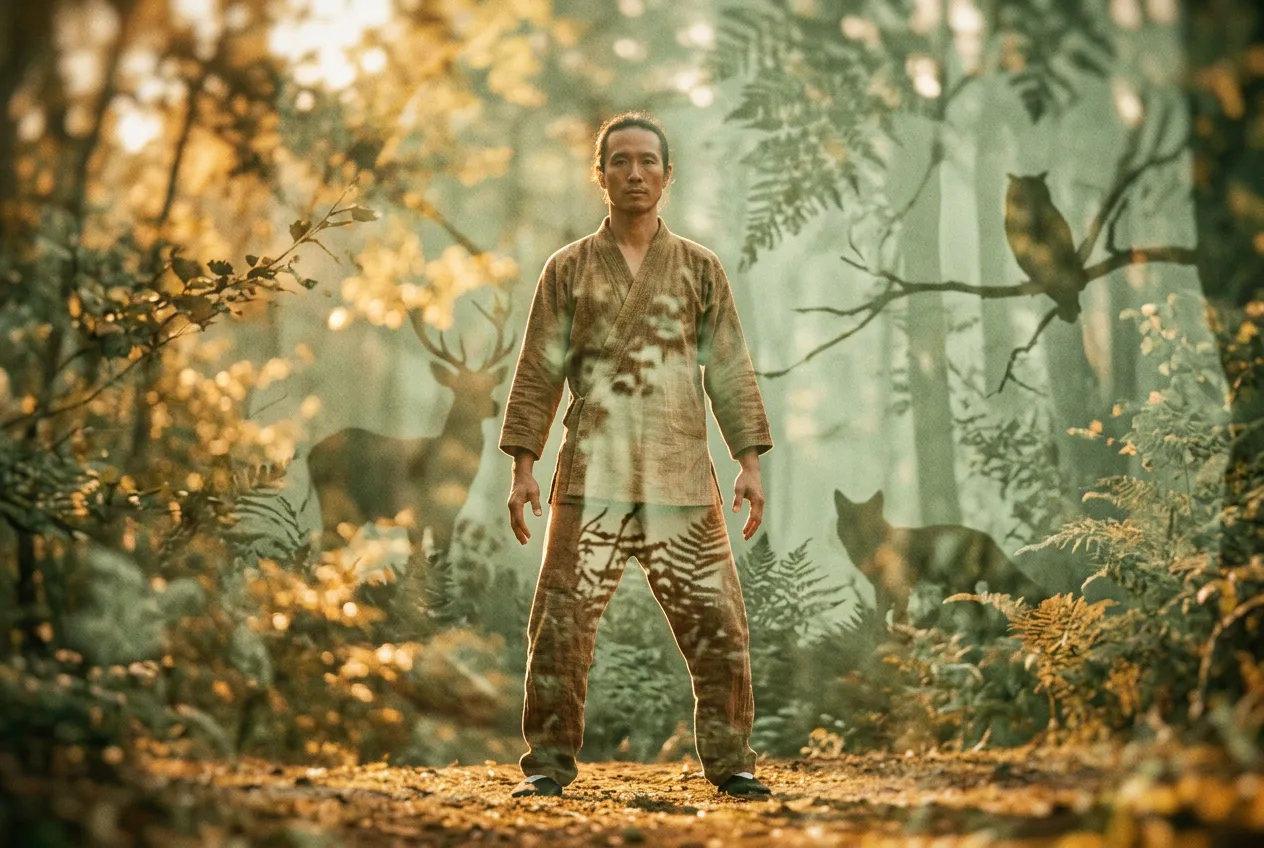
For beginners, learning one animal at a time over several weeks is a practical approach. Each animal section has enough movement complexity to repay careful individual study. Once each animal is familiar, the full sequence can be assembled.
A complete practice of the Five Animal Frolics, performing each animal section fully, takes approximately 25–35 minutes. A shorter version practising each section once through takes 15–20 minutes.
The set pairs well with the qigong health benefits research context — evidence for qigong practice as a whole applies to the Five Animal Frolics as one of the most historically established qigong systems. It also pairs practically with Shibashi qigong — practitioners who enjoy one set often find the other provides a useful complement with a different movement character.
Browse the tai chi practice section for the full range of practice guides, including qigong sets and daily practice approaches.
Frequently Asked Questions
How does Wu Qin Xi differ from the Eight Brocades? The Eight Brocades (Ba Duan Jin) is structured around eight specific health-maintenance exercises targeting different body regions, with a relatively consistent slow pace throughout. Wu Qin Xi is structured around five animals with markedly different movement characters — including the quick, dynamic Monkey section that has no equivalent in the Eight Brocades. Wu Qin Xi is generally considered slightly more complex to learn, and the animal principle gives it a different internal orientation. Many experienced practitioners practise both.
Is the Hua Tuo attribution accurate? The attribution of Wu Qin Xi to Hua Tuo is documented in multiple classical Chinese texts from shortly after his time, and it is widely accepted within the Chinese medical and qigong tradition. As with many historical attributions in classical Chinese practice, some details are uncertain, and the set has evolved considerably over two millennia of transmission. The core attribution — that the set originates in a Han Dynasty medical context — is well-supported by the historical record.
Which animal should I learn first? No single answer fits everyone. Many teachers start with the Crane because its movements are graceful and the breath connection is clear. Others start with the Bear because it requires the most settling and internal focus, establishing the right overall quality for the set. What to avoid is starting with the Monkey — its quick, dynamic character is easier to appreciate once the slower, more deliberate animals are established.
Can I practise the Five Animal Frolics if I have joint pain? Many elements of the set are gentle enough for people with moderate joint discomfort. The Tiger section’s deep stretches and the Monkey section’s quick movements may need to be modified. Working with a qualified qigong instructor for initial guidance is advisable if you have significant joint limitations. The Bear section in particular, with its slow, low, grounded movements, is often well-tolerated by people who find other sections challenging.
Is there a standard version of Wu Qin Xi? The version most widely taught today in China is the 2003 Chinese Health Qigong Association standardisation, which is based on traditional lineage sources. This is the version most likely to be found in books, videos, and classes offered through health and wellness programmes. Traditional lineage versions also exist and may differ in specific movements while sharing the same five-animal structure and underlying principles.