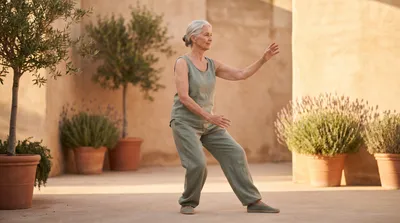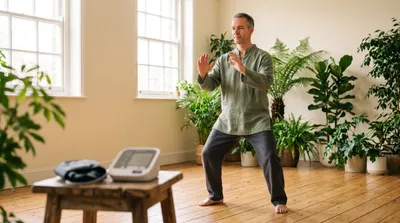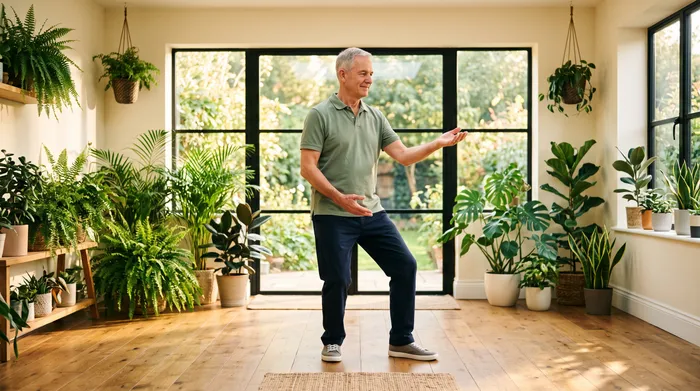
Exercise is one of the pillars of type 2 diabetes management, alongside diet and medication. The standard prescription is 150 minutes a week of moderate aerobic activity plus resistance training twice weekly. For a substantial number of people with type 2 diabetes — often older, frequently carrying joint problems, sometimes with neuropathy or cardiovascular complications — that prescription is difficult to follow, and the gap between what is recommended and what is done is wide.
Tai chi has been studied as a way of closing that gap. The evidence is real but more modest and more mixed than the enthusiastic claims found on wellness sites, and getting the picture right matters for anyone deciding how to spend their limited exercise time.
What the Meta-Analyses Show
A number of randomised trials have examined tai chi in people with type 2 diabetes, mostly in China, mostly small, and mostly measuring fasting blood glucose and glycated haemoglobin (HbA1c).
A 2018 meta-analysis pooling fourteen studies covering 798 participants found that tai chi lowered fasting blood glucose compared with non-exercise controls, but that the reduction in HbA1c did not reach statistical significance. That split is worth sitting with. Fasting glucose is a snapshot; HbA1c reflects average glycaemic control over roughly three months and is the measure clinicians actually treat to.
More recent meta-analyses, pooling additional and often longer trials, have reported significant HbA1c reductions as well, with the largest effects associated with longer interventions, higher weekly frequency, and sessions of an hour or more. The direction of the literature over time has been favourable, but the underlying trials remain small, largely unblinded, and heterogeneous in protocol.
An honest reading: tai chi probably produces a small to moderate improvement in glycaemic control in type 2 diabetes when practised frequently and sustained over months. It is unlikely to match the metabolic effect of vigorous aerobic exercise plus resistance training in someone capable of doing both.
Some context on what these numbers mean. An HbA1c reduction of around 0.5 percentage points is roughly what a single additional oral medication might deliver, and reductions of that order are clinically worth having. Several of the more recent pooled analyses report effects in that region, which would make tai chi a meaningful contributor rather than a rounding error — but the confidence intervals are wide, the trials are small, and publication bias is a genuine concern in a literature dominated by studies from a single region. Treat the point estimates as encouraging rather than settled.
I have watched people take up tai chi for a diagnosis like this and be disappointed that the effect was not dramatic. The framing that helps is that no single lifestyle change is dramatic in type 2 diabetes. What changes outcomes is several modest levers pulled consistently for years.
Why It Would Affect Blood Sugar at All
Skeletal muscle is where most post-meal glucose is disposed of, and muscle contraction increases glucose uptake through a pathway that does not require insulin. That mechanism is intensity-dependent but not intensity-exclusive — light activity produces a smaller effect, not zero effect.
Tai chi engages the lower limbs continuously through sustained partial-squat postures and weight transfers. It is not intense, but it is continuous, and continuity matters for glucose disposal. Twenty minutes of unbroken low-level muscular work does more for post-meal glucose than the same twenty minutes spent sitting.
Beyond the direct muscular route, several secondary mechanisms are plausible:
Reduced visceral fat. Central adiposity drives insulin resistance, and a three-group randomised controlled trial of 543 adults over 50 with central obesity, published in Annals of Internal Medicine, found tai chi reduced waist circumference about as effectively as conventional exercise. The weight loss article covers that trial in detail.
Stress and cortisol. Chronic stress raises cortisol, and cortisol raises blood glucose. Anything that reliably lowers stress load has a plausible metabolic route.
Improved sleep. Poor sleep worsens insulin sensitivity measurably. Tai chi improves sleep quality in older adults, and that effect may account for part of the metabolic signal.
Adherence. The dull but decisive factor. Metabolic benefit comes from years of activity, not weeks. An activity people continue outperforms one they abandon.
Nothing in this list is unique to tai chi — any sustained gentle movement would work similarly. What tai chi adds is that people keep doing it, and that it addresses the balance and falls risk that is elevated in people with diabetic neuropathy.
What This Means Practically
If you have type 2 diabetes and are already doing brisk walking and resistance work, tai chi is an addition, not a substitute. Do not drop what is working.
If you are doing nothing, or nearly nothing, tai chi is a reasonable entry point. It requires no equipment, no gym, and no particular fitness level, and it does not produce the post-exercise fatigue that puts deconditioned people off.
If you have complications that limit conventional exercise — peripheral neuropathy, retinopathy, foot ulceration risk, significant cardiovascular disease — tai chi may be the most appropriate option available, and this is worth raising specifically with your diabetes team.
Dosing
Trials showing the clearest effects generally used three to five sessions a week of 45 to 60 minutes, sustained for at least twelve weeks and often longer. That is a real commitment, and it is the honest answer to “how much do I need to do”.
A workable compromise for most people: 30 minutes, five days a week, with at least one of those sessions falling in the 30 to 90 minutes after a main meal, when post-prandial glucose is peaking. Timing practice after eating is one of the easier ways to increase the metabolic return on the same amount of movement.
Monitoring
If you use a glucose meter or continuous monitor, the effect of a session is visible and worth observing. Check before and 30 to 60 minutes after practice for the first couple of weeks. Most people see a modest post-session reduction, and seeing it happen is a considerably better motivator than an abstract promise about HbA1c three months hence.
Safety Considerations Specific to Diabetes
Hypoglycaemia risk. Tai chi is low intensity and unlikely to cause hypoglycaemia on its own. But if you take insulin or a sulfonylurea, exercise-related hypos are possible, particularly with longer sessions or when practice is added to an existing routine. Carry fast-acting carbohydrate, and check glucose before practice if you are prone to hypos or practising away from home.
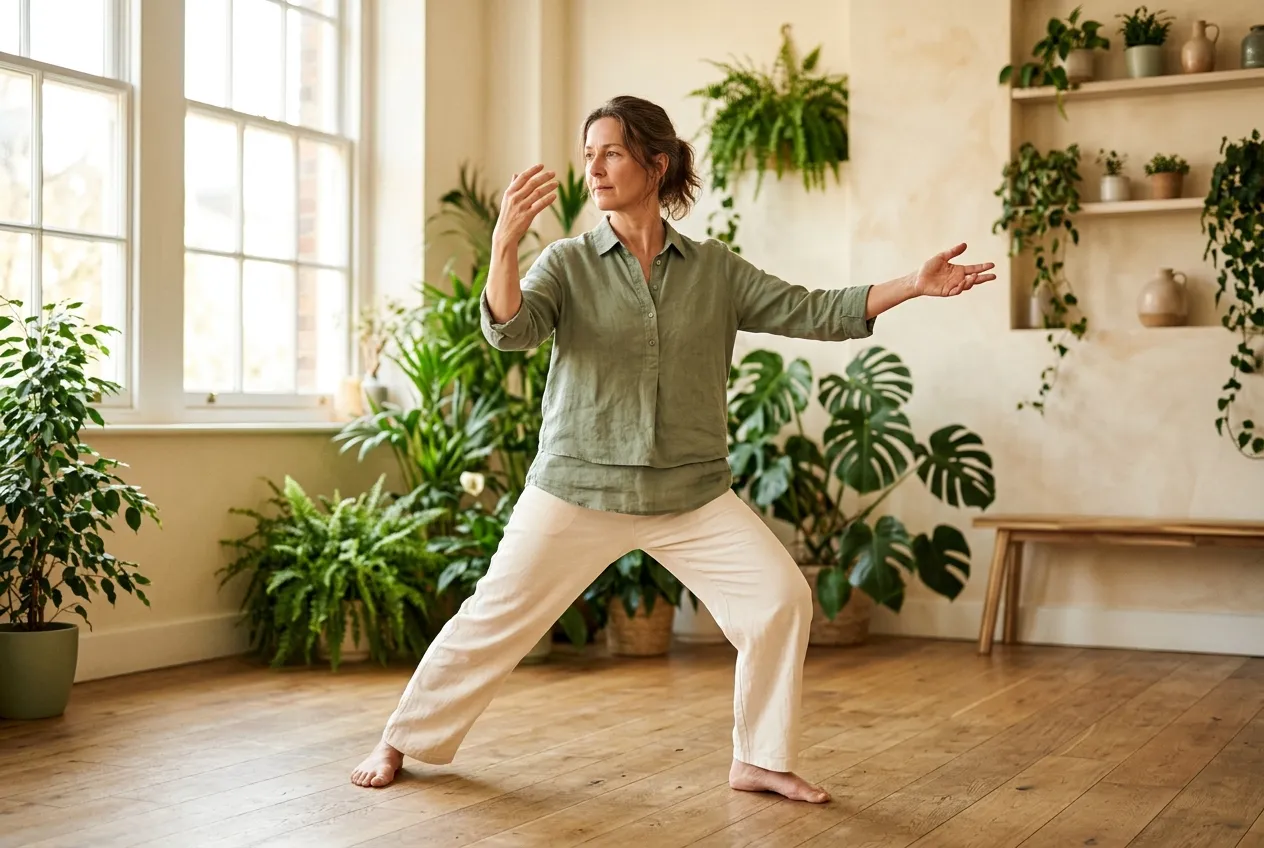
Foot care. This is the diabetes-specific point most often missed. Barefoot practice is common in tai chi and is a poor idea for anyone with neuropathy or reduced foot sensation — an unnoticed cut or blister on an insensate foot is how serious foot problems begin. Practise in well-fitting flat shoes with a proper sole, inspect your feet afterwards, and mention any new lesion to your podiatrist promptly.
Neuropathy and balance. Peripheral neuropathy degrades the sensory feedback balance depends on. That makes tai chi more valuable — balance training is exactly what is needed — and also riskier at the start. Practise near a wall or chair, widen the stance, and progress slowly.
Retinopathy. Proliferative retinopathy is a contraindication for activities involving straining, breath holding, or head-down positions. Tai chi is generally fine, but avoid deep forward bends and any breath holding, and check with your ophthalmologist if you have active proliferative disease.
Blood pressure and cardiovascular disease. Diabetes and hypertension travel together. The blood pressure guide covers the practice adjustments that apply, and they apply here too.
A Realistic Weekly Structure
For someone with type 2 diabetes who wants to use tai chi as their primary activity:
- Five tai chi sessions a week, 30 minutes each, at least one after a main meal.
- Walking on top, wherever it fits — errands, stairs, a short daily walk. Steps accumulate and glucose disposal does not require a formal session.
- Light resistance work twice weekly if approved and possible. Muscle mass is a major determinant of glucose disposal capacity, and this is the element tai chi least replaces. Resistance bands or bodyweight work at home is enough to start.
That structure is more achievable than the standard guideline prescription for many people, and something achievable and performed consistently beats an optimal plan followed for three weeks in January.
Type 1 Diabetes and Prediabetes
Almost all the tai chi research has been done in type 2 diabetes, and the mechanisms discussed above — insulin resistance, visceral fat, muscular glucose uptake — are framed around it.
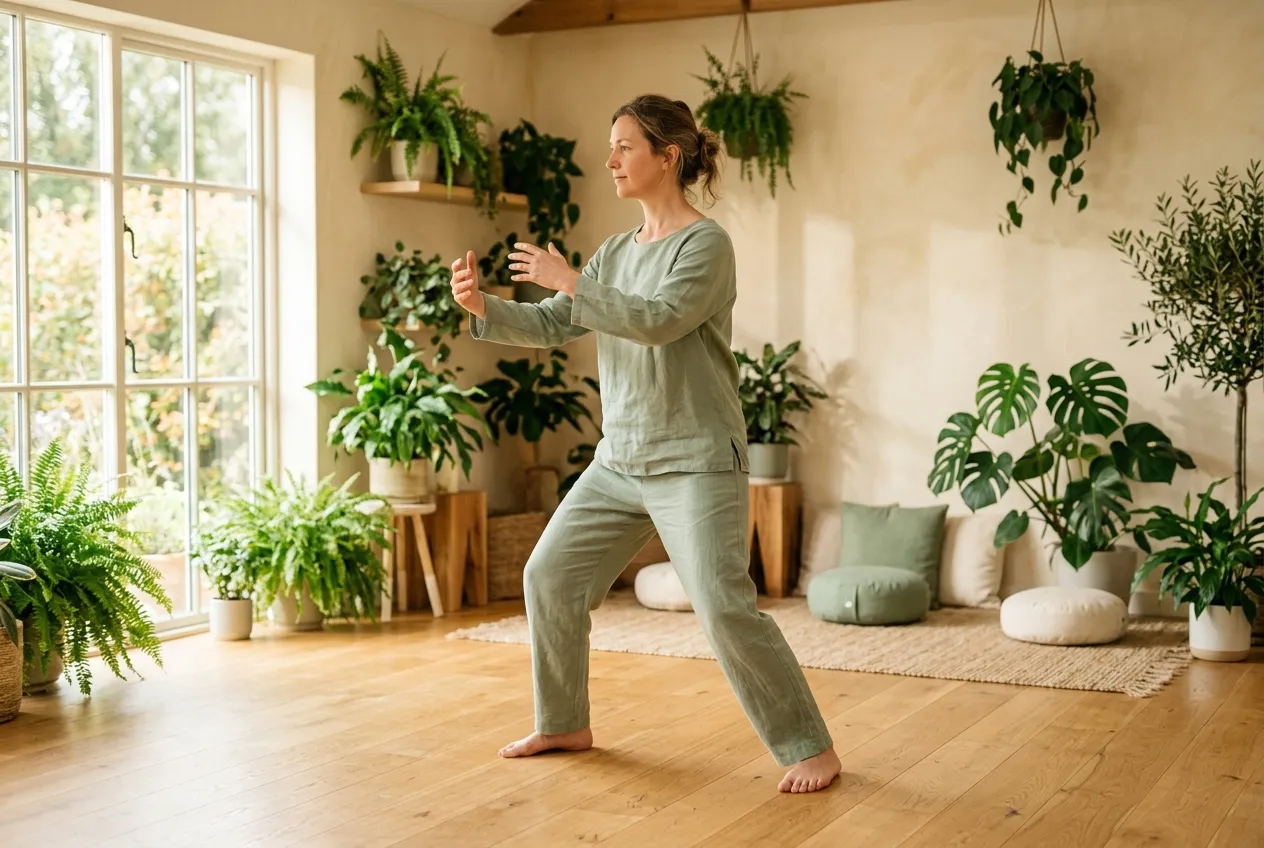
Prediabetes is arguably where tai chi has the most to offer, and it is under-studied. The population is large, the intervention window is open, and the goal is to prevent progression rather than manage an established condition. Lifestyle intervention at this stage has strong evidence generally, and tai chi is a plausible component for people who will not take up conventional exercise. Anyone with a raised HbA1c who has been told to “get more active” and has not managed to is a reasonable candidate.
Type 1 diabetes is a different condition, and the insulin-resistance mechanisms are largely beside the point. Exercise remains beneficial for cardiovascular health, weight management, and wellbeing, but glucose management around activity is considerably more complex, and hypoglycaemia risk is real. Tai chi is low intensity enough that it disturbs glucose less than most activities, which some people find an advantage. Any change in activity should be discussed with the diabetes team, with attention to insulin adjustment and monitoring.
What a Session Looks Like
For anyone starting from nothing, a 30-minute session might run:
Five minutes of joint mobilisation. Ankles, knees, hips, waist, shoulders, neck. Gentle circles and swings.
Five minutes of standing and breathing. Feet shoulder-width, knees soft, breathing slowly into the abdomen.
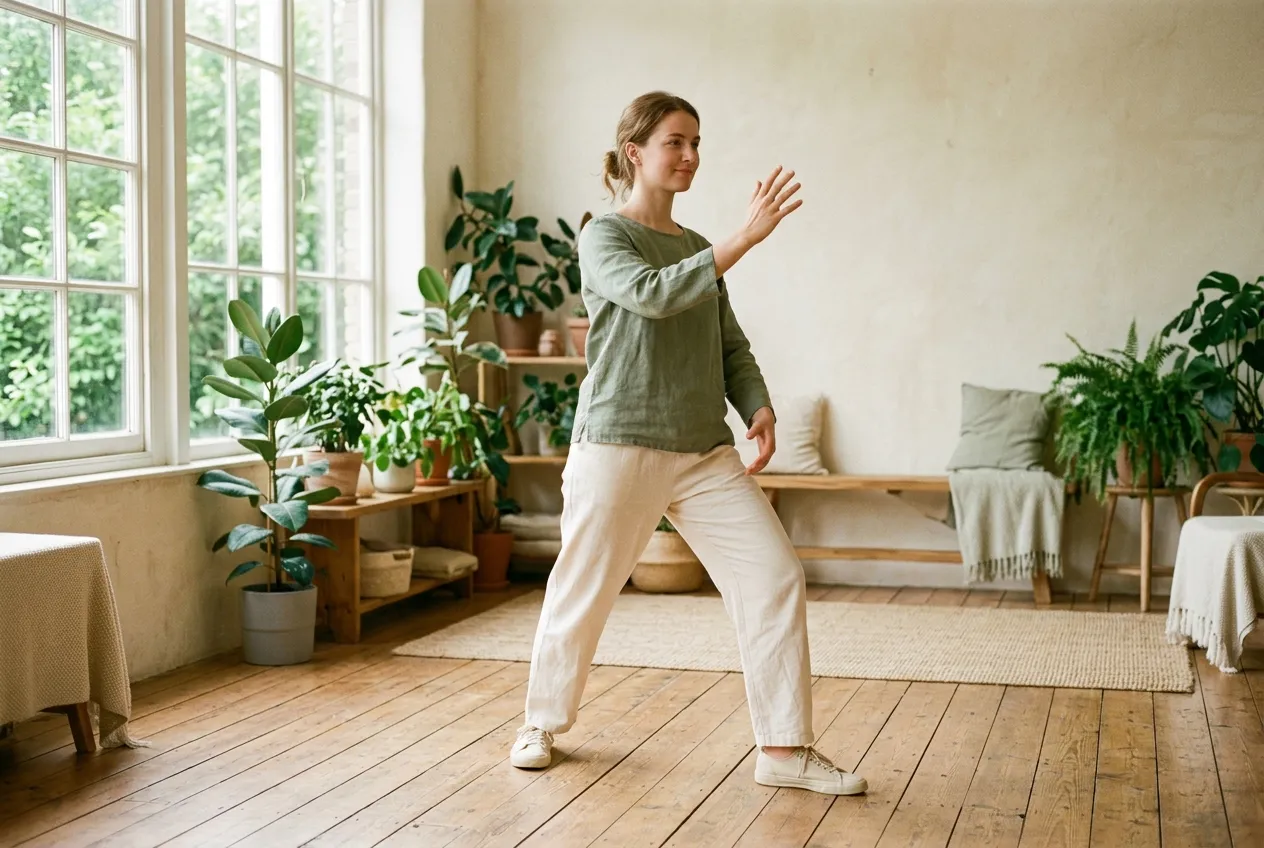
Fifteen minutes of movement. Either a short form run through several times, or a handful of repeated movements — weight shifts, cloud hands, brush knee. Repetition is fine and arguably better than sequence variety when the goal is metabolic rather than technical.
Five minutes of closing. Slow walking or standing, letting the breath settle.
Do this after your largest meal of the day and you have addressed post-prandial glucose, movement volume, and stress in half an hour, without leaving the house or needing a change of clothes.
Where Tai Chi Sits in Diabetes Management
Nothing here changes the fundamentals. Medication is prescribed on the basis of measured glycaemic control and adjusted by your diabetes team. Diet remains the largest single lever most people have. Weight loss, where relevant, produces metabolic effects no exercise regime matches.
Tai chi contributes at the margins — some improvement in glucose control, some reduction in central adiposity, better sleep, lower stress, improved balance in a population with elevated falls risk, and a form of activity that is genuinely sustainable into later life. Those margins compound over years.
What it does not do is replace anything. Anyone who tells you tai chi can reverse type 2 diabetes, or reduce your need for medication, is telling you something the evidence does not support.
The wider health benefits overview places the metabolic evidence alongside the cardiovascular and balance research, and the tai chi for seniors guide covers the practical adaptations most relevant to the population where type 2 diabetes is most common. The full set of condition-specific research summaries is in the tai chi health section.